The demand for artificial intelligence and machine learning expertise has reached unprecedented levels in 2026, with organizations across every sector seeking professionals who can design, deploy, and manage AI systems. Coursera has emerged as one of the leading platforms offering comprehensive AI and ML education, partnering with top universities and technology companies to deliver industry-relevant content. Whether you're a working professional looking to transition into AI roles or a business leader aiming to build in-house capabilities, understanding what a coursera ai ml course offers can help you make informed decisions about your learning journey and career investment.
Understanding Coursera's AI and ML Course Ecosystem
Coursera's artificial intelligence and machine learning offerings have evolved significantly, now featuring multiple learning pathways designed for different experience levels and career objectives. The platform hosts courses from Microsoft, Stanford University, DeepLearning.AI, Google Cloud, and other prestigious institutions, each bringing unique perspectives and expertise to the curriculum.
Course Formats and Learning Structures
When exploring a coursera ai ml course, you'll encounter several distinct formats:
- Individual courses that focus on specific topics like neural networks or computer vision
- Specializations that bundle 3-6 related courses into a comprehensive learning path
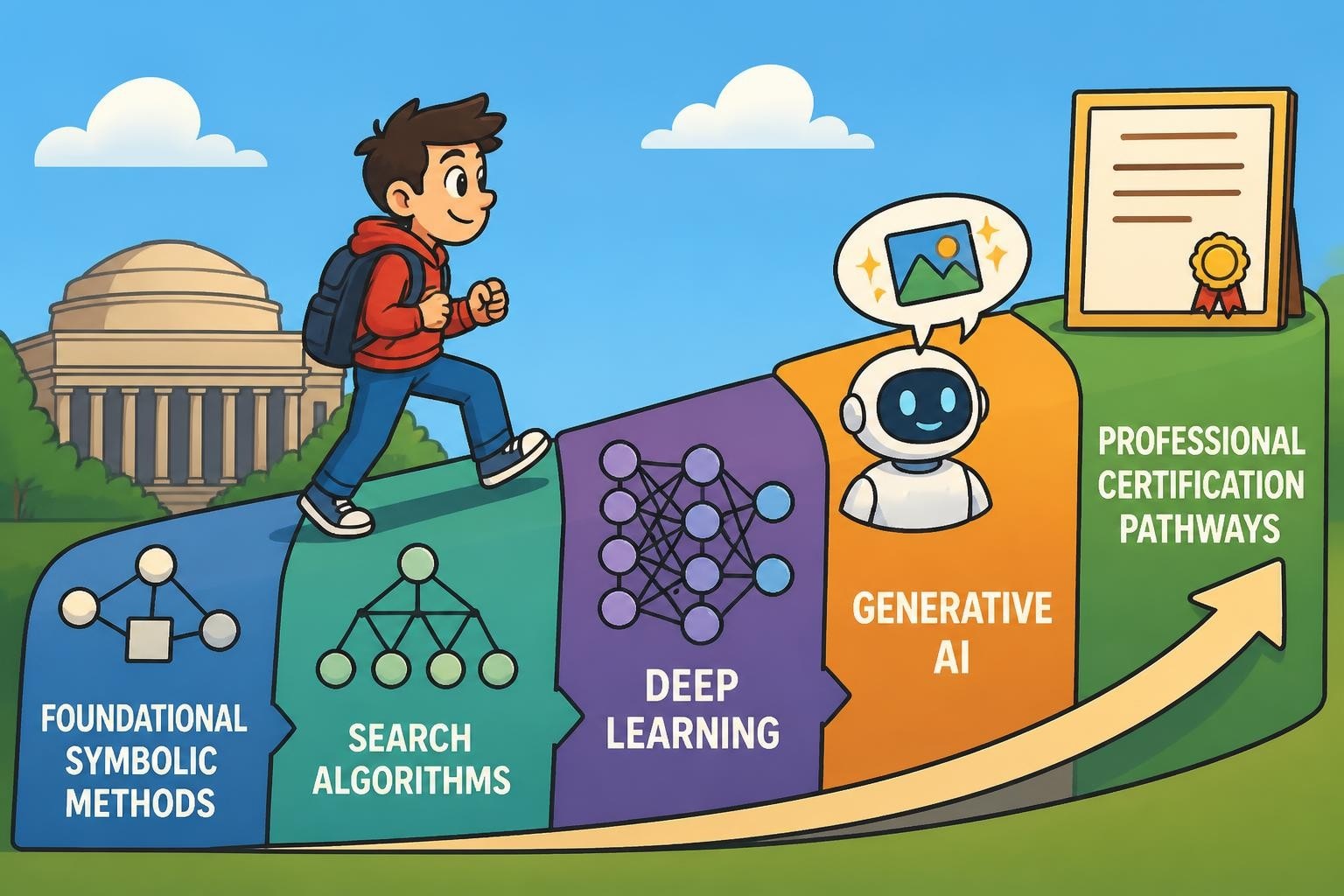
- Professional certificates designed to prepare learners for specific job roles
- Master's degree programs offered in partnership with accredited universities
The flexibility of these formats allows learners to choose pathways aligned with their time commitments, budget constraints, and career goals. Most courses include video lectures, graded assignments, hands-on projects, and peer-reviewed assessments that simulate real-world problem-solving scenarios.
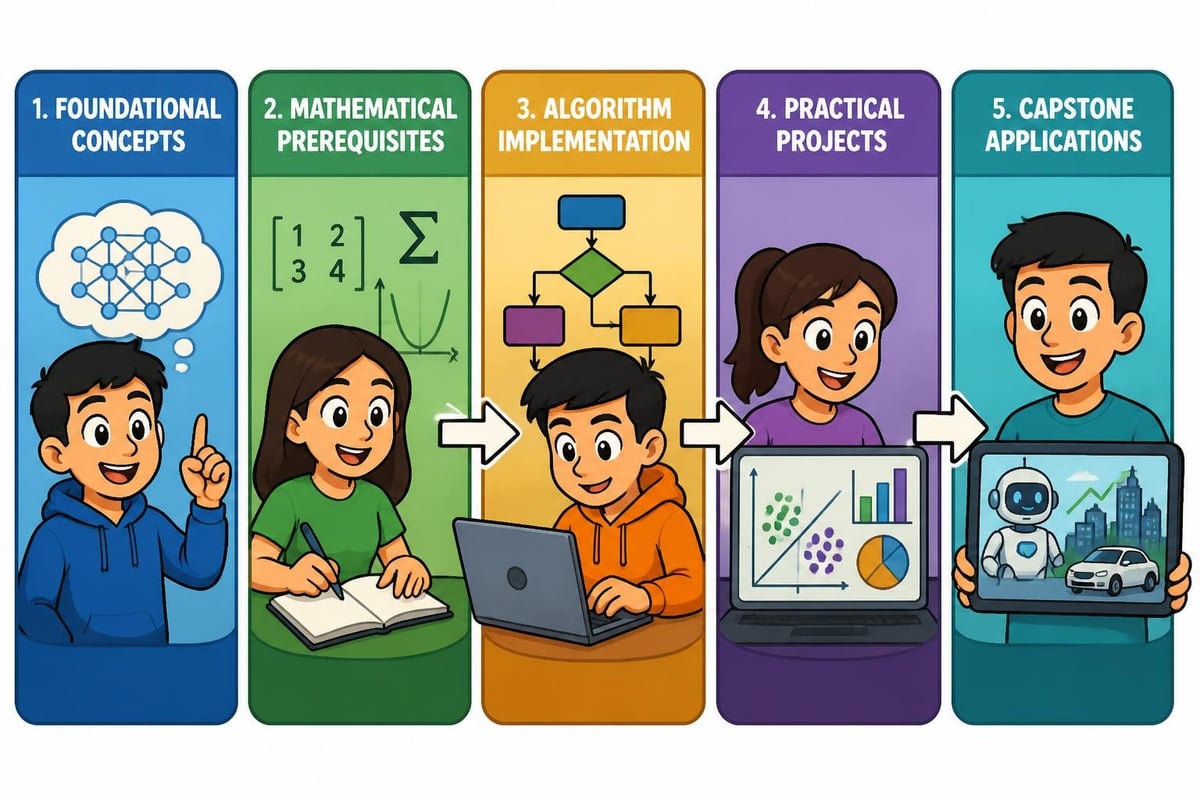
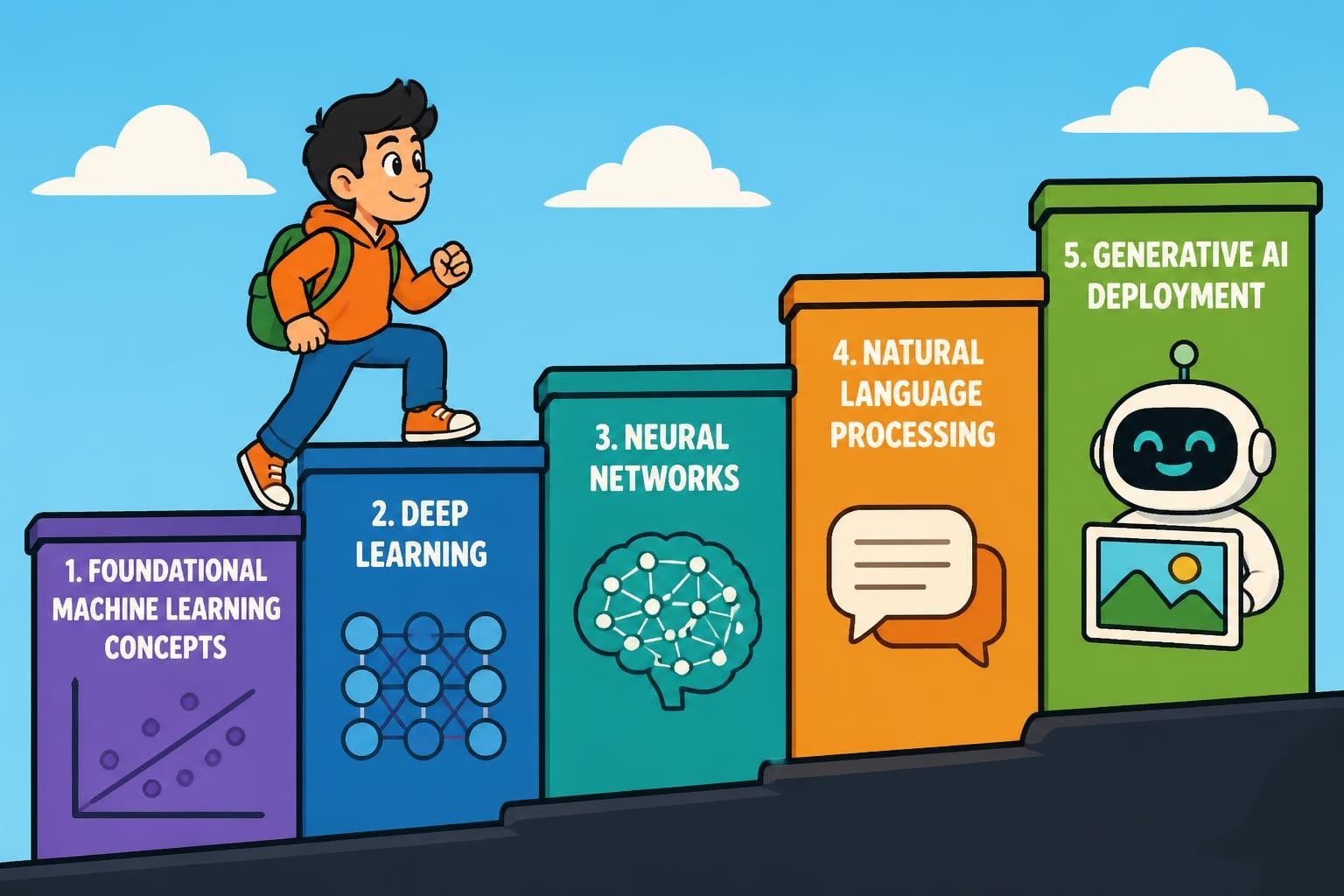
Each course structure typically follows a progressive learning model, starting with fundamental concepts before advancing to complex implementations. This scaffolded approach ensures learners build strong foundations before tackling advanced topics like deep learning architectures or reinforcement learning algorithms.
Key Coursera AI ML Programs Worth Considering
Several standout programs have gained recognition for their comprehensive curriculum and practical applicability in 2026. Microsoft's AI & ML Engineering Professional Certificate has become particularly popular, offering foundational knowledge that prepares learners for entry-level positions in AI development.
Microsoft AI and Machine Learning Series
Microsoft's program stands out for its integration with Azure cloud services and enterprise-focused applications. The curriculum covers:
- Python programming fundamentals for AI development
- Statistical methods and mathematical foundations
- Supervised and unsupervised learning algorithms
- Neural network architectures and deep learning
- Model deployment and production considerations
The advanced techniques and capstone course in this series challenges learners to synthesize their knowledge through a comprehensive project, applying multiple AI techniques to solve complex business problems.
Illinois Tech Artificial Intelligence Overview
The Illinois Institute of Technology's AI course provides a broader perspective on artificial intelligence, exploring its history, ethical implications, and current applications across industries. This coursera ai ml course emphasizes critical thinking about AI's societal impact while building technical competencies.
| Program Feature | Microsoft Certificate | Illinois Tech Course | Python ML Application |
|---|---|---|---|
| Duration | 6 months (part-time) | 4 weeks | 6 weeks |
| Skill Level | Beginner to Intermediate | Beginner | Intermediate |
| Hands-on Projects | 8+ projects | 3 projects | 5 projects |
| Prerequisites | Basic programming | None | Python fundamentals |
| Career Focus | ML Engineer | AI Strategist | Data Scientist |
Technical Skills Developed Through Coursera AI ML Courses
A comprehensive coursera ai ml course builds both theoretical understanding and practical implementation skills. The technical competencies acquired through these programs align closely with current industry requirements and hiring criteria.
Programming and Development Skills
Python has become the dominant language for AI and machine learning development, and most Coursera programs emphasize Python-based implementations. The AI with Python course specifically focuses on applying ML models using Python libraries like scikit-learn, TensorFlow, and PyTorch.
Learners develop proficiency in:
- Data preprocessing and feature engineering using pandas and NumPy
- Model training and validation with scikit-learn frameworks
- Neural network construction using TensorFlow and Keras
- Model optimization through hyperparameter tuning and regularization techniques
- Deployment pipelines for production environments
These practical skills complement theoretical knowledge, ensuring graduates can immediately contribute to AI projects in professional settings. For those looking to expand their learning beyond Coursera, platforms like MammothClub offer additional resources and specialized tracks that complement formal education.
Mathematical and Statistical Foundations
Understanding the mathematics underlying machine learning algorithms distinguishes competent practitioners from those who merely apply libraries without comprehension. A quality coursera ai ml course dedicates significant time to mathematical concepts.
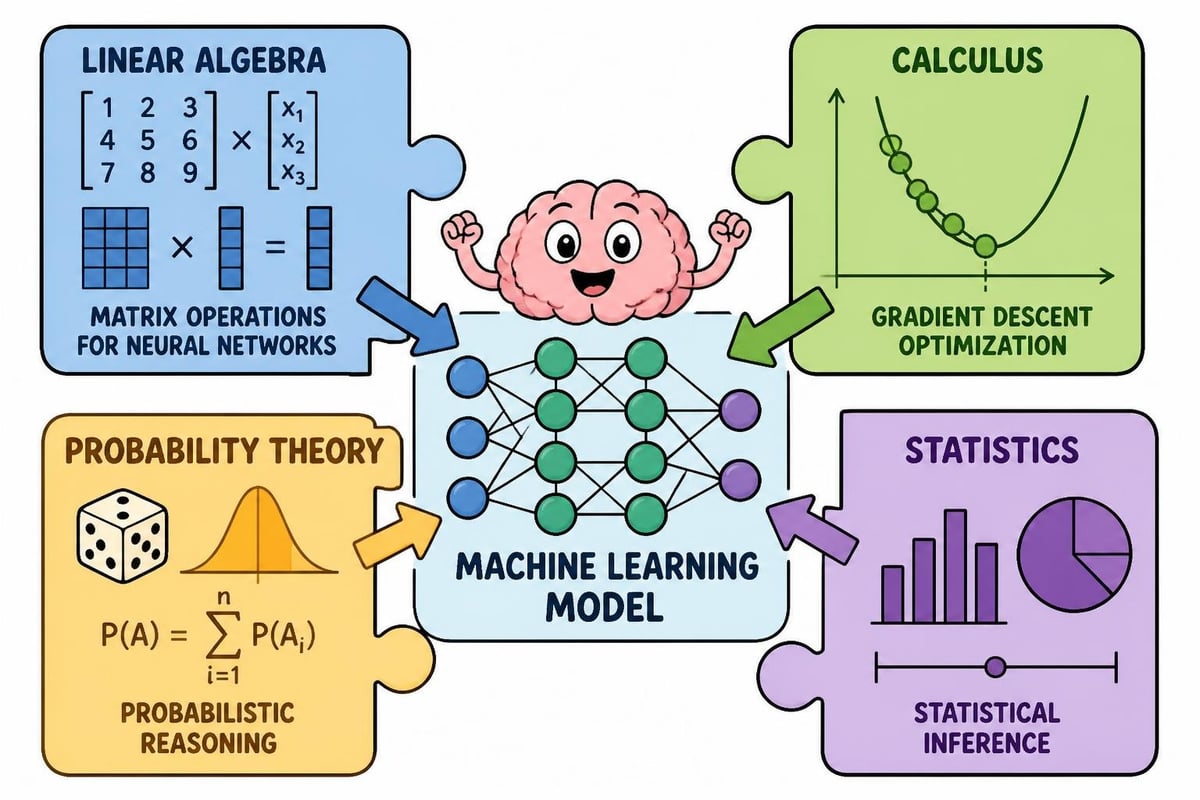
Essential mathematical topics include:
- Linear algebra for understanding data transformations and neural network operations
- Calculus for optimization algorithms and gradient-based learning
- Probability theory for handling uncertainty and making predictions
- Statistics for hypothesis testing and model evaluation
- Information theory for understanding model complexity and generalization
According to a recent review of Andrew Ng's Machine Learning Specialization, the mathematical requirements have been carefully calibrated to be accessible while maintaining rigor. The course provides supplementary materials for learners who need to strengthen their mathematical background.
Specialized Tracks and Industry Applications
Beyond foundational coursera ai ml course offerings, Coursera provides specialized tracks targeting specific industries and application domains. These focused programs address the growing need for domain expertise combined with technical AI capabilities.
Healthcare and Biomedical Applications
AI applications in healthcare have accelerated dramatically, with machine learning models now assisting in diagnosis, treatment planning, and drug development. Specialized courses explore medical imaging analysis, genomic data processing, and clinical decision support systems.
Financial Services and Trading
The financial sector relies heavily on machine learning for risk assessment, fraud detection, algorithmic trading, and customer service automation. Courses in this domain emphasize time series analysis, anomaly detection, and reinforcement learning for sequential decision-making.
Computer Vision and Natural Language Processing
These specialized tracks dive deep into specific AI subdisciplines:
- Computer vision courses cover image classification, object detection, semantic segmentation, and generative models
- NLP programs explore text processing, sentiment analysis, machine translation, and large language model applications
- Speech recognition systems that convert audio to text and enable voice interfaces
Organizations seeking to build capabilities in these areas often supplement individual learning with structured corporate training programs. Resources like best AI courses on Coursera help teams identify the most relevant programs for their specific needs.
Evaluating Course Quality and Effectiveness
Not all AI and machine learning courses deliver equal value. When selecting a coursera ai ml course, several factors should influence your decision-making process.
Instructor Credentials and Industry Recognition
Course quality correlates strongly with instructor expertise and institutional backing. Leading programs feature instructors who are active researchers, published authors, and industry practitioners with proven track records in AI development.
| Quality Indicator | What to Look For | Why It Matters |
|---|---|---|
| Instructor Background | PhD, published research, industry experience | Ensures current, rigorous content |
| Student Reviews | 4.5+ rating, detailed feedback | Indicates effective teaching methods |
| Project Complexity | Real datasets, open-ended challenges | Develops practical problem-solving |
| Update Frequency | Content revised within 12 months | Reflects current tools and techniques |
| Career Outcomes | Job placement data, skill validation | Demonstrates market relevance |
Academic research on AI and ML education highlights the importance of lab-intensive modules that enable students to apply techniques to real-world datasets. The most effective coursera ai ml course offerings incorporate substantial hands-on components rather than relying solely on theoretical instruction.
Time Commitment and Completion Rates
Realistic expectations about time requirements help learners succeed. Most comprehensive AI courses require 6-12 hours weekly over 3-6 months. Completion rates vary significantly across programs, with self-paced courses showing lower completion than cohort-based formats.
Factors affecting completion include:
- Clear learning objectives and milestone tracking
- Active community forums and peer interaction
- Timely instructor feedback on assignments
- Flexible deadlines that accommodate working professionals
- Progressive difficulty that builds confidence
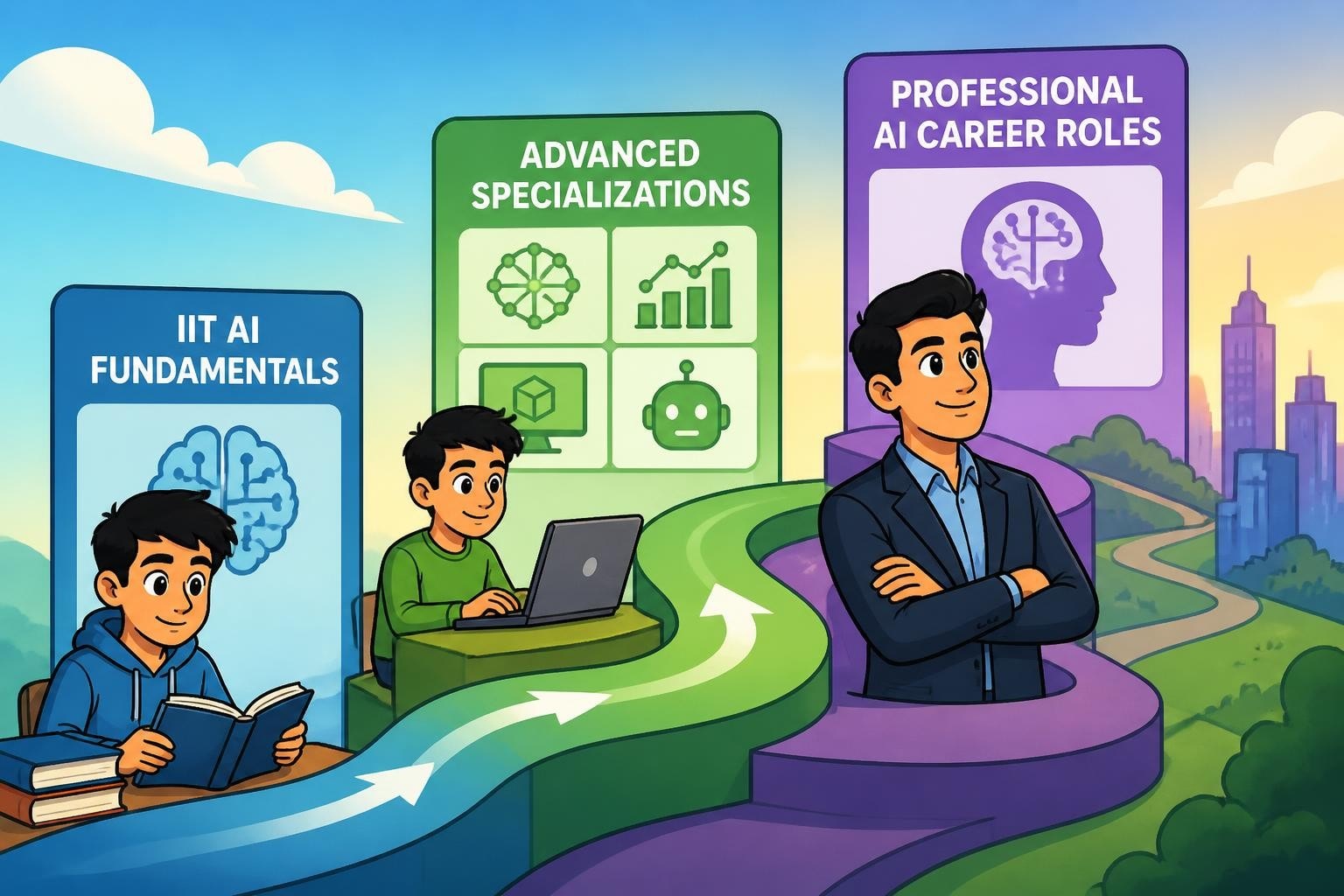
Those exploring AI and ML learning paths benefit from understanding how individual courses fit into broader career development strategies.
Certification Value and Career Impact
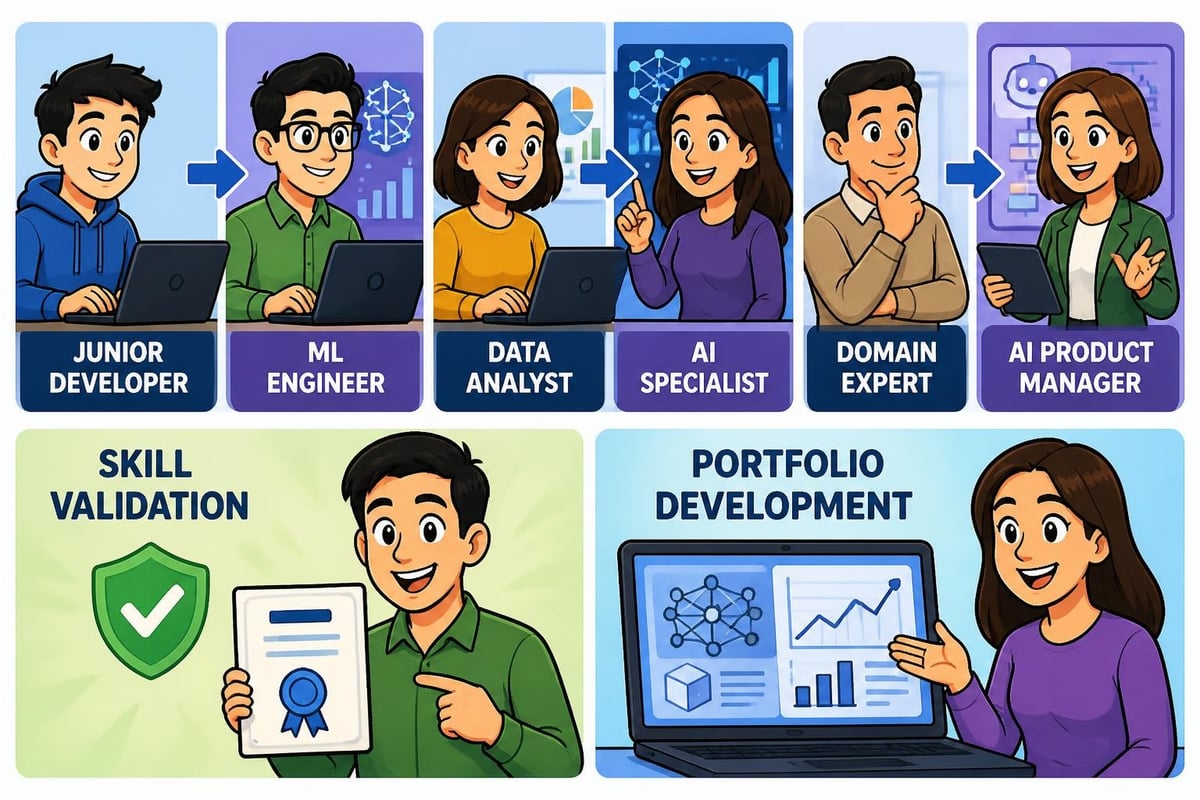
Professional certificates from a coursera ai ml course have gained credibility among employers, particularly when backed by recognized institutions or technology companies. The market value of these credentials depends on several factors.
Industry Recognition and Hiring Signals
Tech companies increasingly recognize Coursera certificates as valid signals of technical competency, especially when combined with portfolio projects demonstrating applied skills. Some organizations have formal partnerships with Coursera, granting preferential consideration to certificate holders.
The Coursera artificial intelligence course offerings often include career services like resume reviews, interview preparation, and job matching platforms that connect graduates with hiring companies.
Portfolio Development and Project Showcase
Certificates alone rarely secure positions; demonstrated capability through project portfolios proves essential. The best coursera ai ml course programs emphasize building showcase projects that:
- Solve authentic business problems rather than toy datasets
- Demonstrate end-to-end capability from data collection through deployment
- Show code quality and documentation reflecting professional standards
- Include performance metrics validating model effectiveness
- Explain technical decisions and trade-offs considered
Platforms like MammothClub's AI specialization courses complement Coursera offerings by providing additional project-based learning opportunities and industry-specific applications.
Comparing Coursera with Alternative Learning Platforms
While Coursera dominates the MOOC landscape for AI and ML education, understanding how it compares with alternatives helps learners make informed choices about their educational investments.
Coursera Versus University Programs
Traditional university programs offer depth, structured progression, and credentialing recognized across all industries. A coursera ai ml course provides flexibility, current industry tools, and practical focus at significantly lower cost.
Advantages of Coursera:
- Immediate skill application without career interruption
- Regular content updates reflecting latest industry practices
- Lower financial investment and no student debt
- Learn from multiple institutions and perspectives
- Self-paced progression accommodating work schedules
Advantages of Traditional Programs:
- Deeper theoretical foundations and research exposure
- Structured cohort learning and networking opportunities
- Universally recognized degrees for academic and corporate advancement
- Access to university resources, labs, and research facilities
- Direct mentorship from faculty advisors
Many professionals combine approaches, using a coursera ai ml course for immediate skill building while pursuing part-time graduate programs for advanced credentials. This hybrid strategy maximizes flexibility while building comprehensive expertise.
Integration with Corporate Training Programs
Organizations implementing AI transformation initiatives often blend Coursera courses with internal training, workshops, and mentorship programs. This integrated approach addresses both technical skill development and organizational change management.
Corporate learning strategies typically include:
- Baseline skill assessment to identify knowledge gaps
- Curated learning paths aligned with business objectives
- Cohort-based progression creating peer support networks
- Internal projects applying new skills to company challenges
- Ongoing skill validation through assessments and reviews
Companies leveraging best courses in AI create competitive advantages by rapidly building internal capabilities rather than relying solely on external hiring.
Maximizing Learning Outcomes and ROI
Successfully completing a coursera ai ml course requires strategic planning and disciplined execution. Top performers employ specific techniques to maximize knowledge retention and skill transfer.
Active Learning Strategies
Passive video watching yields limited skill development. Effective learners engage actively with content through:
- Implementing concepts immediately in personal projects
- Teaching concepts to others through blog posts or presentations
- Participating in discussion forums to deepen understanding
- Experimenting beyond assignments with variations and extensions
- Connecting new knowledge to existing professional contexts
Research on empirical software engineering education demonstrates that structured practice with immediate feedback accelerates skill acquisition more effectively than passive consumption.
Building a Learning Community
Isolation hampers motivation and limits perspective. Successful learners build support networks through:
| Community Resource | Benefits | How to Engage |
|---|---|---|
| Course Discussion Forums | Quick answers, diverse perspectives | Post questions, answer peers |
| Study Groups | Accountability, collaborative learning | Form weekly video meetups |
| LinkedIn Communities | Industry connections, job opportunities | Share projects, engage with content |
| Local Meetups | In-person collaboration, networking | Attend AI/ML meetup groups |
| Professional Associations | Structured events, mentorship programs | Join ACM, IEEE, or domain groups |
Those pursuing Azure AI certification or other specialized credentials benefit from connecting with others following similar paths, sharing resources and maintaining motivation through challenging material.
Ethical Considerations and Responsible AI
Modern coursera ai ml course curricula increasingly emphasize ethical considerations, fairness, and responsible AI development. This shift reflects growing awareness that technical capability must be coupled with ethical reasoning.
Fairness and Bias Mitigation
Machine learning models can perpetuate or amplify societal biases present in training data. Quality AI education addresses:
- Bias detection methodologies for identifying unfair model behavior
- Fairness metrics quantifying disparate impact across demographic groups
- Mitigation strategies including data balancing and algorithmic interventions
- Ethical frameworks for making trade-offs between competing values
- Regulatory compliance with emerging AI governance requirements
Academic research on fairness and ethics in computing education provides insights into effective curriculum design for justice-oriented AI development. Leading coursera ai ml course programs incorporate these perspectives throughout their technical instruction.
Privacy and Security Considerations
AI systems often process sensitive personal data, creating privacy risks that must be understood and mitigated. Courses increasingly cover:
- Data minimization principles reducing collection to necessary information
- Differential privacy techniques protecting individual privacy in aggregate datasets
- Adversarial robustness defending against malicious inputs designed to fool models
- Model security preventing unauthorized access or model theft
- Transparency requirements enabling users to understand automated decisions
The University of Colorado's security and ethical hacking course exemplifies how institutions are integrating security considerations into AI and ML education.
Future Trends in AI ML Education
The landscape of AI and ML education continues evolving rapidly as technologies advance and industry needs shift. Understanding emerging trends helps learners make forward-looking educational investments.
Generative AI and Large Language Models
The explosion of generative AI capabilities has created urgent demand for professionals who understand large language models, diffusion models, and other generative techniques. Recent coursera ai ml course additions increasingly focus on:
- Prompt engineering for optimizing model outputs
- Fine-tuning strategies adapting foundation models to specific domains
- Retrieval-augmented generation combining models with knowledge bases
- Multimodal learning integrating text, image, and audio processing
- Responsible deployment of powerful generative systems
Organizations seeking competitive advantage must develop capabilities in these emerging areas while maintaining strong foundations in traditional machine learning approaches.
Edge AI and Resource-Constrained Deployment
As AI moves from cloud data centers to edge devices, new challenges emerge around model compression, energy efficiency, and real-time inference. Educational programs are adapting to address:
- Model quantization and pruning techniques
- Hardware-aware neural architecture search
- Federated learning for privacy-preserving distributed training
- Energy-efficient inference optimization
- Specialized hardware acceleration
These specialized skills complement traditional AI education, creating opportunities for professionals who can bridge software and hardware considerations. Resources like GPU for AI training help learners understand the hardware foundations underlying AI systems.
Selecting the right coursera ai ml course requires aligning program content with your career objectives, learning style, and time commitments. The platform's diverse offerings from leading institutions provide pathways for beginners through advanced practitioners, with specialized tracks addressing specific industries and applications. Whether you're building foundational knowledge or developing expertise in cutting-edge areas like generative AI, strategic course selection combined with active learning practices maximizes your educational investment. MammothClub complements formal education by offering 3,000+ on-demand AI courses, interactive bootcamps, and corporate certification programs with AI-powered learning tools that make your training measurable and results-driven, helping you stay competitive in the rapidly evolving AI landscape.