The artificial intelligence revolution has transformed how organizations operate, and Microsoft has positioned itself at the forefront with a comprehensive suite of AI technologies and services. As businesses worldwide integrate AI solutions into their workflows, the demand for certified professionals who can design, implement, and manage these systems has skyrocketed. Microsoft certification ai programs offer a structured pathway for professionals to validate their expertise and demonstrate competency in this rapidly evolving field. Whether you're an aspiring AI engineer, a data scientist looking to expand your skillset, or an IT professional seeking career advancement, understanding the microsoft certification ai landscape is essential for staying competitive in 2026.
Understanding the Microsoft AI Certification Ecosystem
Microsoft has restructured its certification framework to align with current industry demands and emerging AI technologies. The microsoft certification ai portfolio now encompasses multiple credential levels, each designed to validate specific competencies and career stages.
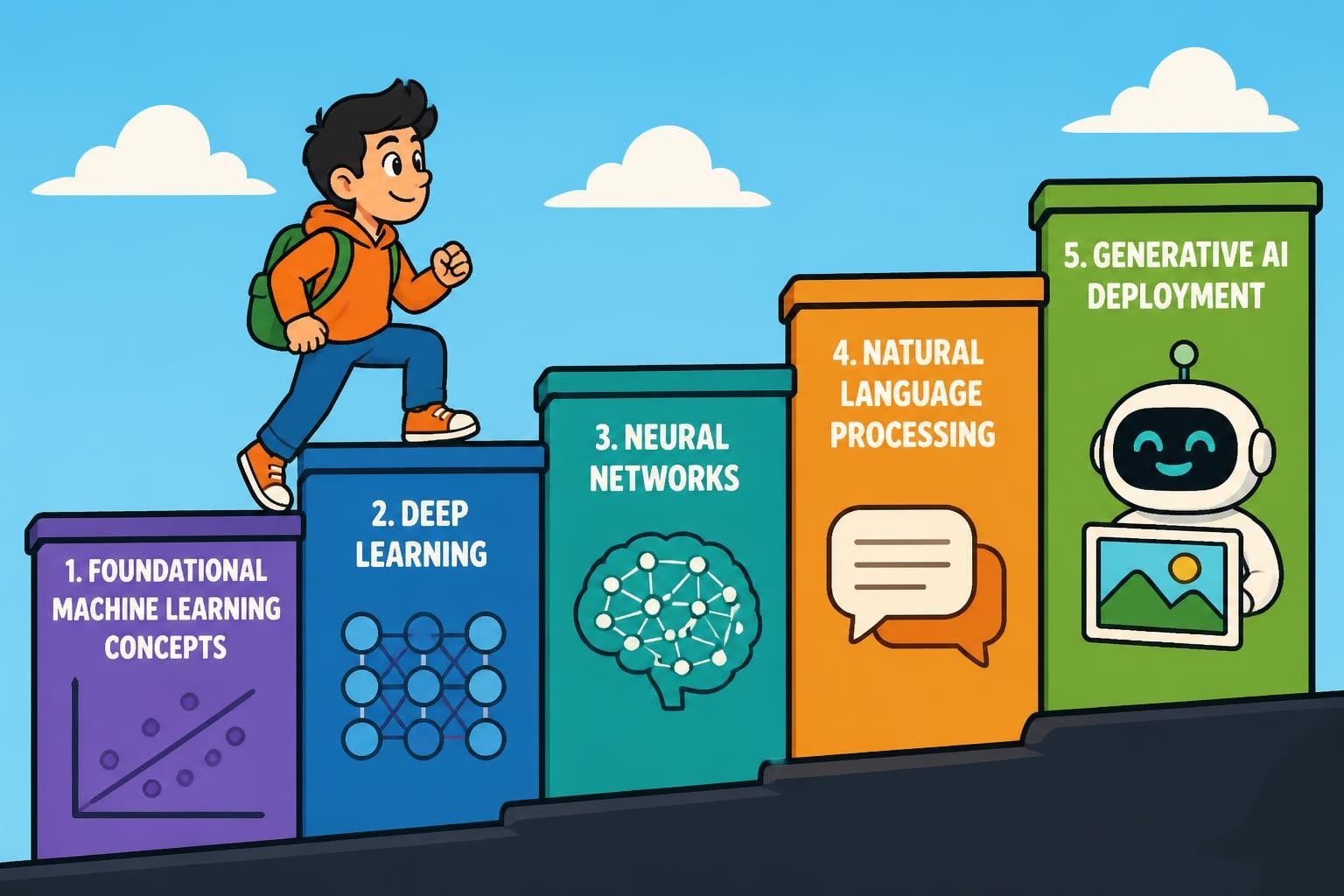
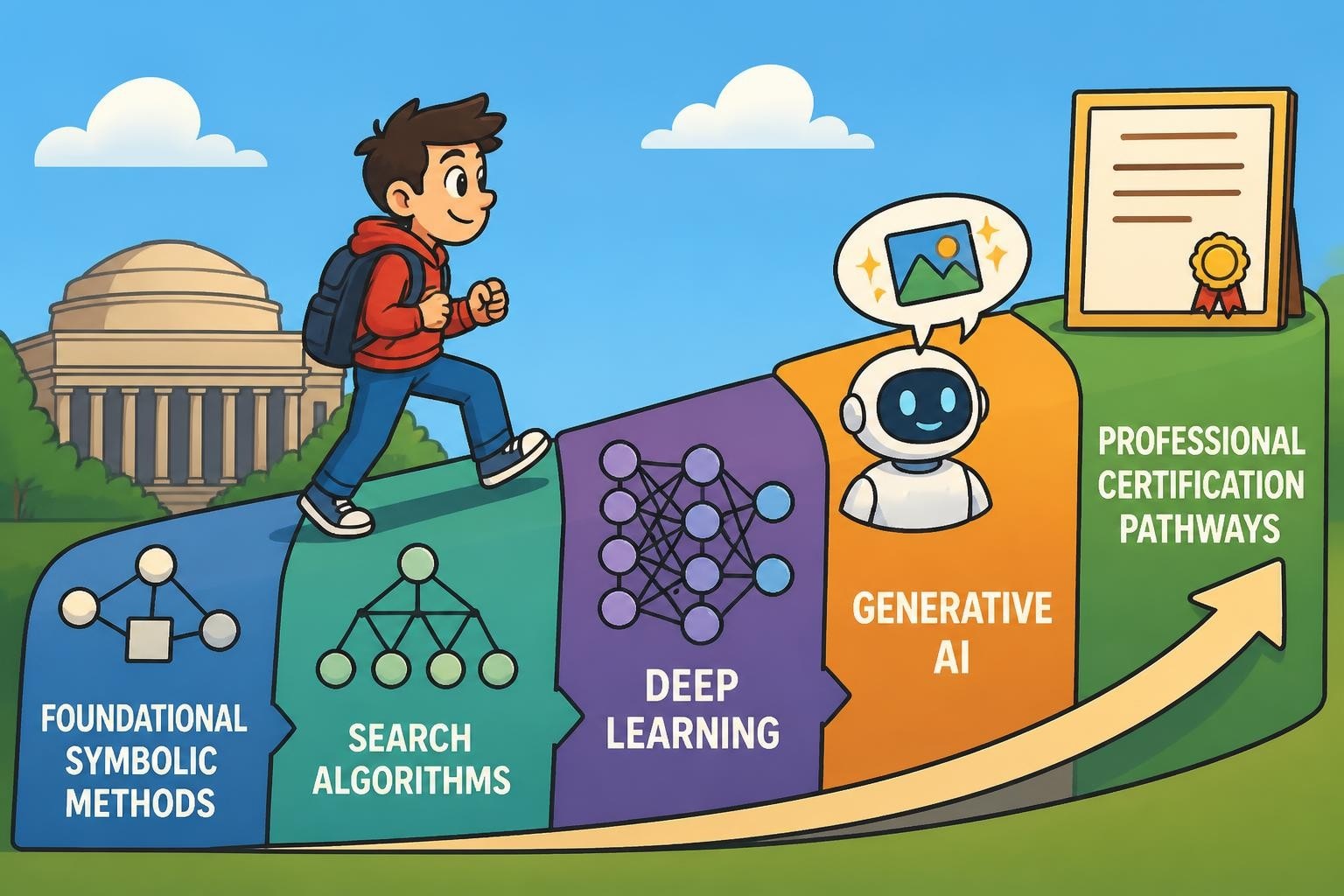
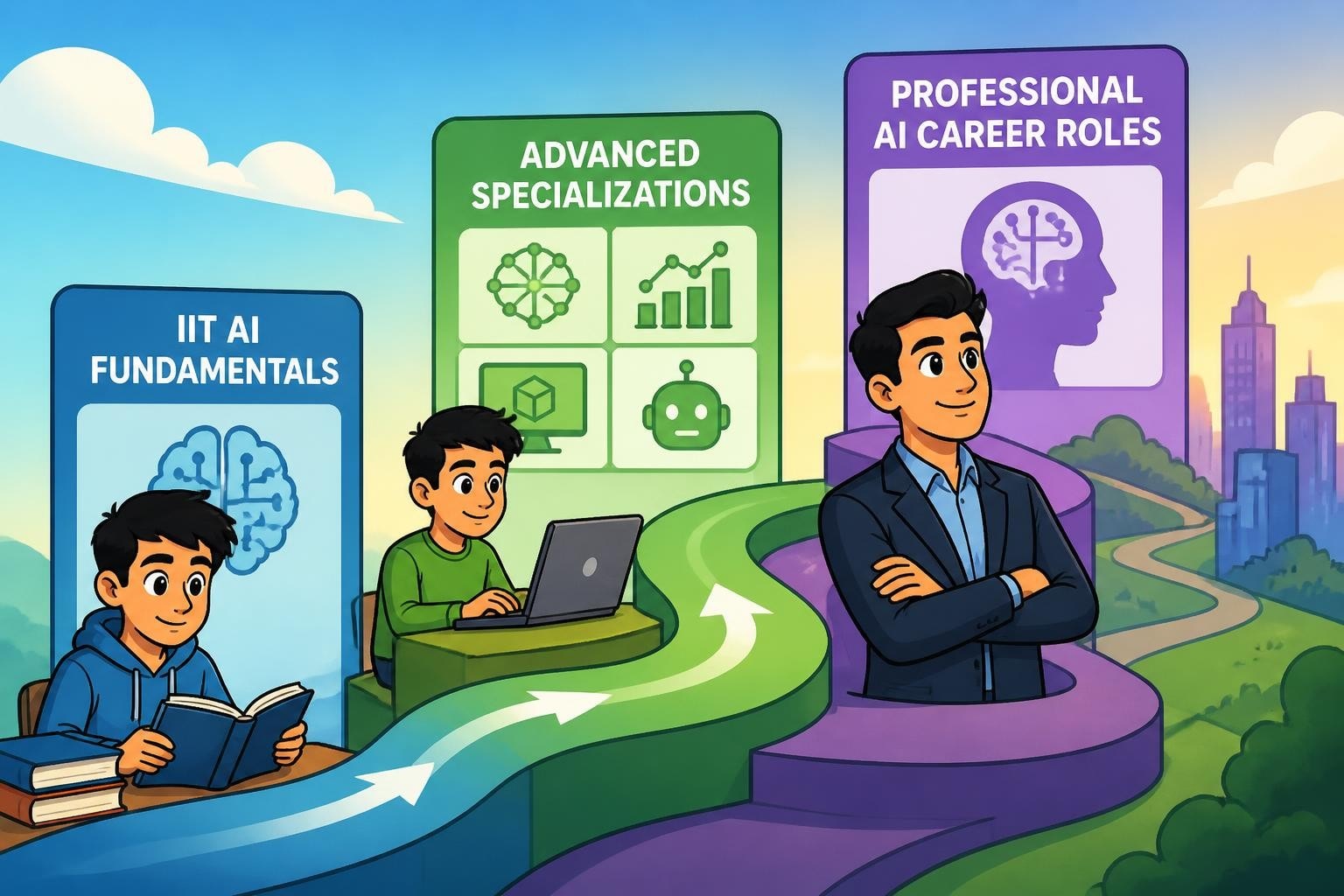
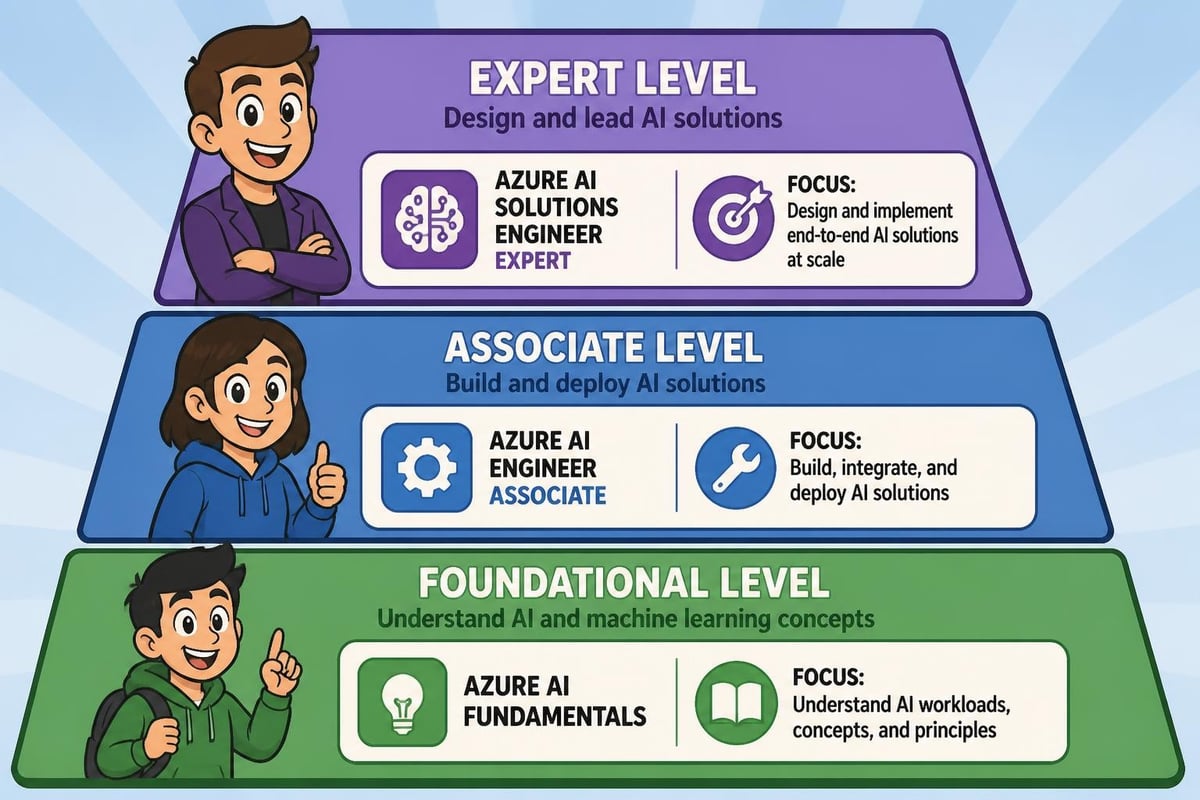
The certification hierarchy begins with foundational credentials that establish core AI concepts and progresses through associate-level certifications for practitioners, culminating in expert-level credentials for architects and specialized professionals. This tiered approach ensures that learners can enter at their appropriate skill level and advance systematically through increasingly complex material.
The Three-Tier Structure
Foundational certifications serve as entry points for professionals new to AI or those seeking to validate baseline knowledge. These credentials require no prerequisites and typically involve a single exam covering broad concepts across AI services, machine learning fundamentals, and responsible AI principles.
Associate-level certifications target practitioners actively building and deploying AI solutions. These microsoft certification ai credentials require hands-on experience and deeper technical knowledge of specific Azure AI services, including implementation details, troubleshooting techniques, and optimization strategies.
Expert-level certifications demonstrate mastery in designing comprehensive AI architectures and leading enterprise-scale implementations. These advanced credentials often require multiple exams and substantial real-world experience in complex AI projects.
Azure AI Fundamentals: The Starting Point
The Microsoft Certified: Azure AI Fundamentals certification (AI-900) represents the entry point into microsoft certification ai pathways. This credential validates your understanding of machine learning concepts, computer vision workloads, natural language processing, and conversational AI on Azure.
The AI-900 exam covers four primary knowledge domains:
- Describe Artificial Intelligence workloads and considerations (15-20%)
- Describe fundamental principles of machine learning on Azure (20-25%)
- Describe features of computer vision workloads on Azure (15-20%)
- Describe features of Natural Language Processing (NLP) workloads on Azure (15-20%)
- Describe features of generative AI workloads on Azure (15-20%)
This certification requires no formal prerequisites, making it accessible to business analysts, project managers, and technical professionals alike. The exam tests conceptual knowledge rather than hands-on implementation skills, focusing on understanding AI capabilities and appropriate use cases.
Preparation Strategies for AI-900
Successful candidates typically invest 20-30 hours in preparation, combining self-study with hands-on exploration of Azure AI services. The microsoft certification ai fundamentals exam emphasizes understanding when and how to apply different AI technologies rather than deep technical implementation.
Key preparation resources include:
- Microsoft Learn modules covering AI concepts
- Azure free tier accounts for practical experimentation
- Practice assessments to gauge readiness
- Community study groups and forums
- Interactive labs focusing on Azure Cognitive Services
Many professionals find that AI beginner courses provide structured learning paths that complement official Microsoft resources, offering additional context and real-world examples.
Azure AI Engineer Associate: Building Production Solutions
The Microsoft Certified: Azure AI Engineer Associate certification (AI-102) represents a significant step up in complexity and technical depth. This microsoft certification ai credential validates your ability to design and implement AI solutions using Azure Cognitive Services, Azure Cognitive Search, and Azure Applied AI services.
Core Competencies Measured
| Skill Domain | Exam Weight | Key Technologies |
|---|---|---|
| Plan and manage Azure AI solutions | 15-20% | Workspace setup, resource provisioning, cost optimization |
| Implement computer vision solutions | 20-25% | Custom Vision, Face API, Form Recognizer |
| Implement natural language processing | 20-25% | Language Understanding, Text Analytics, Translator |
| Implement knowledge mining solutions | 15-20% | Azure Cognitive Search, skillsets, indexers |
| Implement conversational AI solutions | 15-20% | Bot Framework, QnA Maker, Language Service |
The AI-102 exam requires candidates to demonstrate practical implementation skills, including writing code in Python or C#, configuring services, and troubleshooting common issues. This hands-on focus distinguishes associate-level credentials from foundational certifications.
Real-World Application Scenarios
The microsoft certification ai engineer track emphasizes production-ready solutions that organizations deploy at scale. Candidates must understand:
Security and compliance considerations for AI workloads, including data privacy, authentication mechanisms, and regulatory requirements across different industries and geographies.
Performance optimization techniques such as caching strategies, batch processing, and service tier selection to balance cost and performance requirements.
Integration patterns for connecting AI services with existing enterprise systems, databases, and application architectures using APIs, SDKs, and serverless computing models.
Professionals pursuing Azure AI certification often benefit from structured bootcamp experiences that provide intensive hands-on practice with realistic scenarios.
Specialized AI Certifications and Advanced Pathways
Beyond the core AI certifications, Microsoft offers specialized credentials that address specific AI domains and emerging technologies. These microsoft certification ai programs cater to professionals focusing on particular aspects of artificial intelligence implementation.
Applied AI Specializations
The AI landscape includes certifications for:
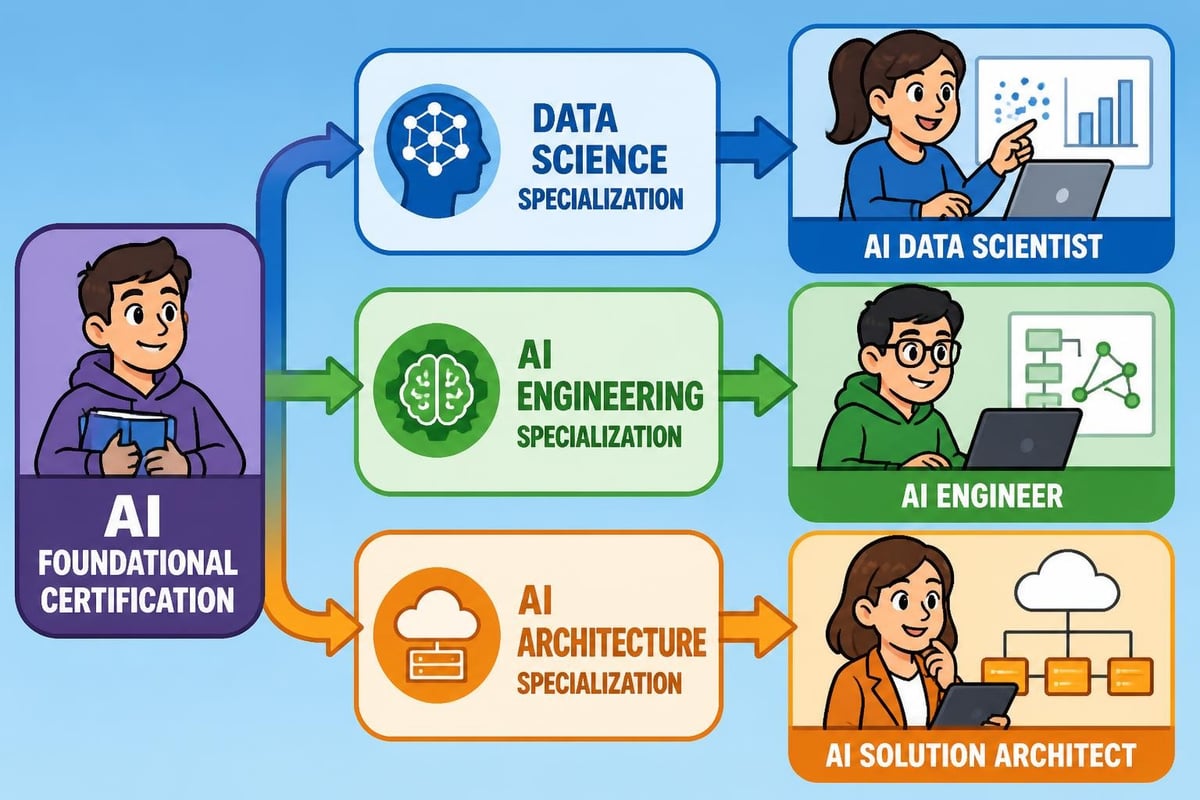
- Azure Data Scientist Associate: Focuses on machine learning model development, training, and deployment using Azure Machine Learning service
- Azure Solutions Architect Expert: Includes AI components within broader cloud architecture design
- Power Platform Specialists: Covers AI Builder and integration of AI capabilities into low-code solutions
Each specialization addresses distinct career paths and organizational roles. Data scientists concentrate on model accuracy and experimentation, while architects focus on scalability and integration across enterprise systems.
Emerging Certifications for Generative AI
Microsoft has expanded its microsoft certification ai portfolio in 2026 to address generative AI technologies, including large language models, prompt engineering, and responsible AI deployment. These new credentials reflect the rapid advancement of AI capabilities and the need for professionals who can harness them ethically and effectively.
The certifications now emphasize:
- Prompt engineering techniques for optimal model responses
- Fine-tuning strategies for domain-specific applications
- Content filtering and safety mechanisms
- Cost management for generative AI workloads
- Integration with Azure OpenAI Service
Organizations increasingly seek professionals with validated expertise in these cutting-edge technologies, making these certifications valuable differentiators in competitive job markets.
Exam Preparation and Study Resources
Success in microsoft certification ai exams requires strategic preparation combining theoretical knowledge with practical experience. The most effective study plans incorporate multiple learning modalities and realistic practice scenarios.
Structured Learning Paths
Microsoft Learn provides free, comprehensive learning paths aligned with each certification. These modules include:
- Interactive tutorials with integrated coding environments
- Knowledge checks after each section
- Hands-on labs using temporary Azure subscriptions
- Video demonstrations of complex concepts
- Downloadable study guides and exam outlines
Supplementing official resources with third-party materials often accelerates learning. Platforms offering AI specialization courses provide alternative explanations and additional practice opportunities that reinforce key concepts.
Hands-On Practice Requirements
| Learning Method | Time Investment | Effectiveness Level |
|---|---|---|
| Reading documentation | 30-40 hours | Moderate |
| Video tutorials | 20-30 hours | Moderate-High |
| Hands-on labs | 40-60 hours | High |
| Practice exams | 10-15 hours | High |
| Real projects | 80+ hours | Very High |
Practical experience remains the most reliable predictor of exam success. Candidates should allocate significant time to building actual AI solutions, experimenting with service configurations, and troubleshooting common implementation challenges.
Career Impact and ROI of Microsoft AI Certifications
Microsoft certification ai credentials deliver measurable career benefits across multiple dimensions. Understanding these advantages helps professionals make informed investment decisions about which certifications to pursue and when.
Salary and Compensation Benefits
Industry data from 2026 indicates that certified AI professionals command premium compensation compared to non-certified peers. The salary differential varies by role, geography, and experience level, but typically ranges from 10-25% higher base compensation.
Entry-level positions with AI-900 certification see modest but meaningful increases, particularly in consulting firms and technology companies seeking to validate baseline competency across their workforce.
Mid-career professionals holding AI-102 or specialized certifications experience more substantial compensation growth, as these credentials directly correlate with ability to deliver production AI solutions that generate business value.
Senior architects and technical leads with multiple microsoft certification ai credentials often qualify for roles and projects unavailable to non-certified candidates, regardless of years of experience.
Market Demand and Job Opportunities
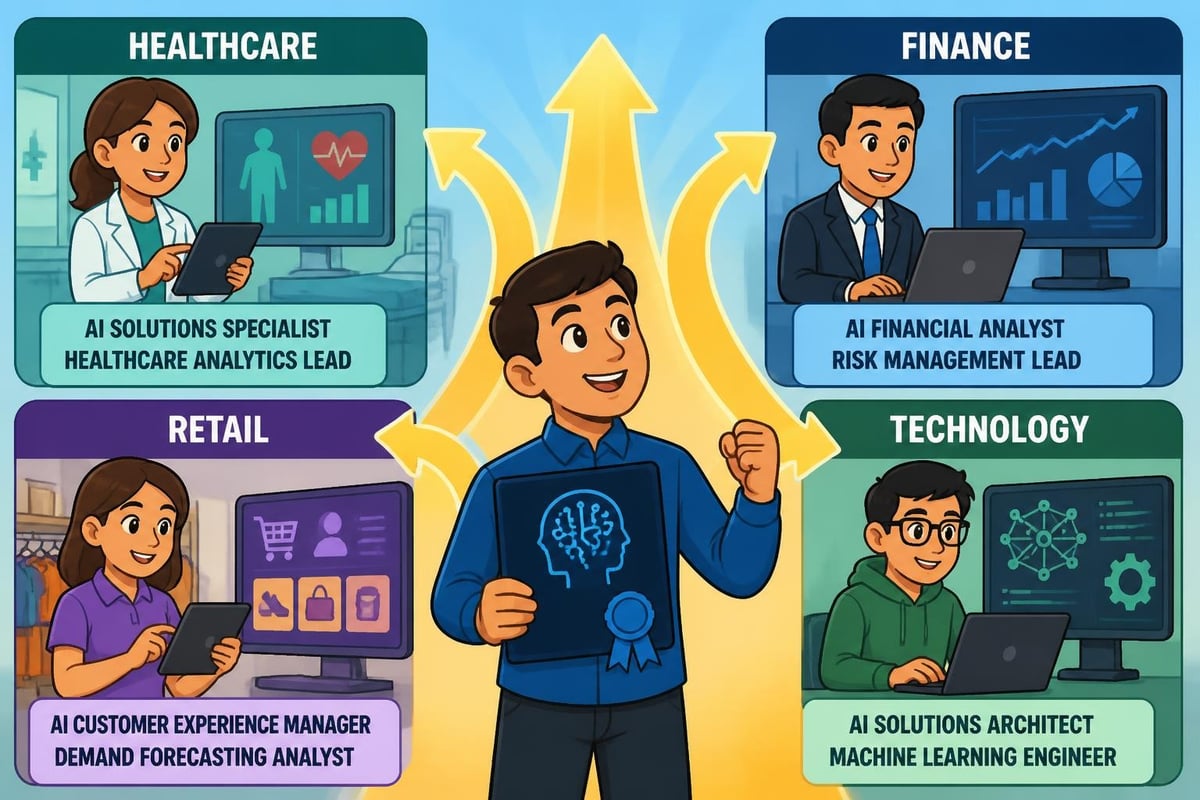
The labor market for AI-skilled professionals continues expanding rapidly. Organizations across industries seek certified professionals who can:
- Implement customer-facing AI features in products
- Optimize operational processes using machine learning
- Deploy conversational AI for customer service
- Extract insights from unstructured data using cognitive services
- Build ethical AI systems that comply with regulations
Microsoft certifications provide verifiable proof of these capabilities, helping candidates stand out in applicant pools and pass initial screening processes. Many organizations specifically list microsoft certification ai credentials as preferred or required qualifications in job postings.
Maintaining and Renewing Your Credentials
Microsoft transitioned to a role-based certification model that requires periodic renewal to ensure professionals maintain current knowledge. Understanding renewal requirements prevents credential expiration and demonstrates ongoing commitment to professional development.
Annual Renewal Process
Most microsoft certification ai credentials require renewal every 12 months through online assessments. The renewal process involves:
Free renewal assessments available through Microsoft Learn that test updated skills and newly released features. These assessments typically take 45-90 minutes and can be attempted multiple times without penalty.
Continuous learning modules that introduce new Azure AI capabilities, updated best practices, and emerging techniques. Completing these modules often satisfies renewal requirements while expanding your practical skillset.
No retesting requirement: Unlike initial certification exams, renewals don't require scheduling proctored exams or paying additional fees, significantly reducing the burden of maintaining credentials.
Staying Current with AI Advances
The rapid pace of AI innovation means that knowledge from even six months ago may be outdated. Successful professionals supplement formal renewal requirements with:
- Monthly exploration of new Azure AI service features
- Participation in community events and webinars
- Experimentation with preview services
- Reading research papers on AI advancements
- Engaging with professional networks and user groups
Resources like AI management courses help professionals stay informed about strategic implications of new AI capabilities, complementing technical certification knowledge.
Corporate Training and Team Certification Programs
Organizations increasingly invest in team-wide microsoft certification ai programs to build internal AI capabilities and accelerate digital transformation initiatives. These corporate approaches differ significantly from individual certification pursuits.
Enterprise-Scale Certification Benefits
When multiple team members achieve certifications simultaneously, organizations realize compounding benefits:
- Reduced knowledge silos as certified professionals share common frameworks and terminology
- Faster project delivery through standardized approaches to AI implementation
- Lower consulting costs by developing internal expertise rather than relying on external resources
- Competitive advantages from validated AI capabilities across the organization
Microsoft's partner ecosystem recognizes these benefits, with partnership programs offering incentives for organizations that achieve certification thresholds across their technical staff.
Designing Effective Corporate Training Programs
Successful enterprise certification initiatives share several characteristics:
- Clear alignment with business objectives: Certifications support specific AI use cases the organization plans to implement
- Dedicated study time: Organizations allocate work hours for preparation rather than expecting after-hours study
- Structured cohort learning: Teams study together, sharing insights and supporting each other
- Practical application projects: Preparation includes building solutions relevant to actual business needs
- Recognition and rewards: Organizations celebrate certification achievements and connect them to career progression
Many companies partner with platforms offering comprehensive AI training programs that complement Microsoft's official resources with business context and industry-specific examples.
Certification Costs and Financial Considerations
Understanding the total investment required for microsoft certification ai credentials helps professionals and organizations budget appropriately and maximize return on investment.
Direct Examination Costs
| Certification Level | Exam Cost (USD) | Study Materials | Total Investment |
|---|---|---|---|
| AI-900 Fundamentals | $99 | $0-200 | $99-299 |
| AI-102 Engineer Associate | $165 | $100-500 | $265-665 |
| Specialized/Expert | $165-330 | $200-800 | $365-1,130 |
These figures represent typical costs in 2026, though promotional discounts and organizational volume pricing can reduce expenses significantly. Microsoft occasionally offers exam discounts during virtual events or through partnership programs.
Hidden Costs and Time Investment
Beyond exam fees, candidates should account for:
Laboratory environments: While Azure free tiers support basic experimentation, complex scenarios may require paid subscriptions. Budget $50-150 monthly during intensive preparation periods for sandbox environments.
Time value: Preparation requires 40-150 hours depending on experience and certification level. Professionals should calculate opportunity costs based on their hourly compensation rate.
Failed attempts: Not all candidates pass on the first try. Factor potential retake fees and additional study time into financial planning.
Renewal and maintenance: Annual renewals require ongoing time investment to complete assessments and stay current with platform changes.
Integration with Broader AI Learning Strategies
Microsoft certification ai programs form one component of comprehensive AI skill development. The most effective professionals combine certifications with complementary learning experiences to build well-rounded expertise.
Certification as Framework, Not Destination
Treating certifications as learning frameworks rather than final destinations yields better long-term results. The structured knowledge domains provide:
- Organized curriculum covering essential topics systematically
- Skill gap identification highlighting areas needing additional focus
- Credentialing milestones marking progress along continuous learning journeys
- Community connections through shared certification experiences
Professionals should supplement microsoft certification ai preparation with broader AI education, including machine learning theory, statistical foundations, and ethical considerations. Research on certification labels for trustworthy AI emphasizes that technical competency alone doesn't ensure responsible AI development.
Complementary Skills and Knowledge Areas
Effective AI professionals combine Microsoft-specific technical skills with:
Programming proficiency beyond certification requirements, including advanced Python techniques, software engineering best practices, and version control systems.
Domain expertise in specific industries or business functions where AI delivers maximum value. Understanding healthcare workflows, financial regulations, or manufacturing processes makes AI implementations more successful.
Soft skills including communication, stakeholder management, and ethical reasoning. The most impactful AI professionals translate technical capabilities into business outcomes and navigate complex organizational dynamics.
Exploring diverse learning resources such as best AI courses on Coursera alongside Microsoft certifications creates more versatile skill portfolios.
Choosing the Right Certification Path for Your Goals
With multiple microsoft certification ai options available, selecting the optimal path requires careful consideration of career objectives, current skill levels, and organizational needs.
Assessment Framework for Path Selection
Consider these factors when choosing certifications:
Current role and responsibilities: Align certifications with daily work activities for immediate practical application and maximum relevance.
Career trajectory goals: Select credentials that support your next desired position rather than only validating current capabilities.
Organizational AI maturity: In companies just beginning AI adoption, foundational certifications may deliver more value than advanced credentials that exceed current organizational needs.
Learning style preferences: Some professionals thrive with self-paced study while others benefit from structured instructor-led programs. Choose preparation approaches matching your learning preferences.
Time and budget constraints: Realistic assessment of available resources prevents overcommitment and ensures completion.
Common Career Path Scenarios
Scenario 1: IT Professional Transitioning to AI: Start with AI-900 to establish foundations, then pursue AI-102 within 6-12 months as hands-on experience accumulates.
Scenario 2: Data Scientist Expanding Cloud Skills: Skip fundamentals and target AI-102 or Azure Data Scientist Associate directly, leveraging existing AI knowledge to accelerate certification.
Scenario 3: Solutions Architect Adding AI Expertise: Combine AI certifications with broader Azure architecture credentials to design comprehensive solutions integrating AI components.
Scenario 4: Business Analyst Understanding AI Capabilities: Focus on AI-900 to communicate effectively with technical teams without pursuing implementation-focused credentials.
Professionals exploring AI engineer certification options benefit from comparing Microsoft's offerings with alternative providers to identify the best fit for specific circumstances.
Preparing for the Future of AI Certification
The microsoft certification ai landscape continues evolving as artificial intelligence technologies advance and new use cases emerge. Staying ahead requires anticipating future directions and preparing for upcoming changes.
Emerging Trends in AI Certification
Increased emphasis on responsible AI: Future certifications will likely expand coverage of ethical considerations, bias detection, transparency requirements, and regulatory compliance as these issues gain prominence.
Multi-modal AI competencies: As AI systems integrate text, image, audio, and video processing, certifications will evolve to test unified understanding across modalities rather than treating them separately.
Edge AI and distributed computing: Certifications may expand to cover AI deployment on edge devices, IoT scenarios, and hybrid cloud-edge architectures as these implementation patterns mature.
Industry-specific specializations: Microsoft may introduce vertical-focused certifications addressing unique requirements in healthcare, financial services, manufacturing, and other sectors with specialized AI needs.
Monitoring updates through resources like new Microsoft AI certifications for 2026 helps professionals stay informed about upcoming changes and plan certification roadmaps accordingly.
Building Future-Proof AI Expertise
While specific technologies and certification requirements change, fundamental capabilities remain valuable across evolving landscapes:
- Critical thinking about appropriate AI applications
- Understanding of machine learning core concepts
- Ability to evaluate model performance and bias
- Communication skills translating technical concepts to business stakeholders
- Commitment to ethical AI development and deployment
Professionals who build these enduring competencies alongside current microsoft certification ai credentials position themselves for long-term success regardless of specific technology shifts.
Microsoft certification ai programs provide structured, recognized pathways for validating expertise in one of technology's fastest-growing domains, offering measurable career benefits and demonstrating commitment to professional excellence. Whether you're starting your AI journey with foundational credentials or advancing to expert-level specializations, these certifications connect your skills with organizational needs in an AI-driven economy. MammothClub offers comprehensive AI training programs with 3,000+ courses, interactive bootcamps, and certification preparation resources that complement your Microsoft credential journey, providing the hands-on practice and business context needed to transform technical knowledge into real-world impact.