Finding quality artificial intelligence training near me has become a priority for professionals navigating the rapid transformation of work in 2026. Whether you're a marketing manager looking to leverage AI tools, a software developer transitioning into machine learning, or a business leader building an AI-ready team, the right training program can accelerate your career trajectory. The challenge isn't finding AI courses-it's identifying programs that deliver practical skills, recognized credentials, and measurable career outcomes within your geographic and scheduling constraints.
Understanding Your AI Training Options in 2026
The artificial intelligence training landscape has evolved significantly beyond traditional classroom models. Today's learners have access to hybrid bootcamps, immersive online platforms, university partnerships, and corporate training programs that blend local networking opportunities with global expertise.
Local Bootcamps and In-Person Programs
Traditional in-person AI bootcamps continue to thrive in major metropolitan areas, offering intensive 8-16 week programs with hands-on instruction. These programs typically cost between $12,000-$20,000 and provide valuable face-to-face mentorship and peer networking.
Key advantages of local bootcamps:
- Direct access to instructors during lab sessions
- Collaborative group projects with local professionals
- Career services connected to regional employers
- Structured learning environment with accountability
However, geographic limitations remain significant. Only 47 cities in the United States currently host dedicated AI training facilities, leaving many professionals without convenient access to artificial intelligence training near me options.
Online Platforms with Local Support Networks
The most flexible approach combines comprehensive online curricula with local study groups, meetups, and corporate partnerships. Platforms like MammothClub bridge this gap by offering 3,000+ AI courses accessible anywhere while enabling organizations to create custom learning paths for local teams.
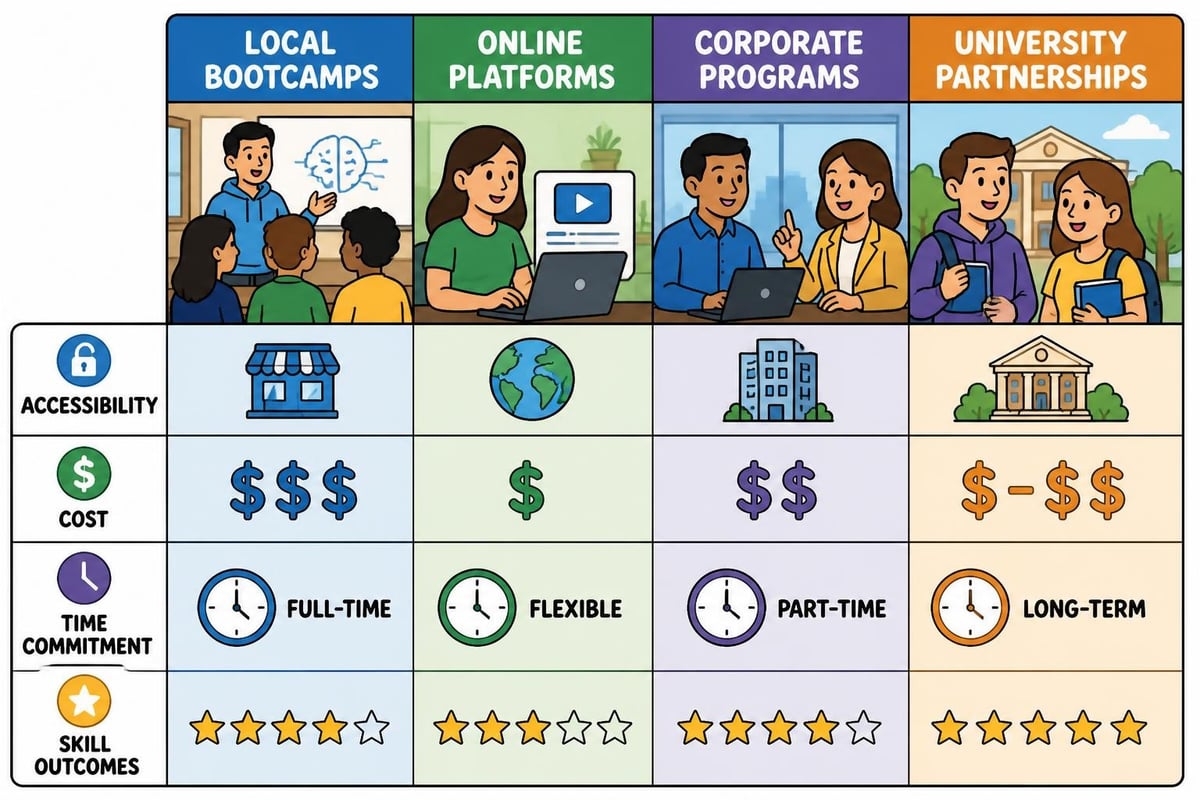
| Training Type | Time Commitment | Cost Range | Best For |
|---|---|---|---|
| Full-time Bootcamp | 8-16 weeks | $12,000-$20,000 | Career changers with time flexibility |
| Part-time Bootcamp | 20-30 weeks | $8,000-$15,000 | Working professionals |
| Online Platform | Self-paced | $300-$3,000/year | Flexible learners seeking breadth |
| University Certificate | 6-12 months | $5,000-$15,000 | Those seeking academic credentials |
| Corporate Program | Varies | Employer-funded | Teams needing standardized training |
Evaluating AI Training Quality and Curriculum Depth
Not all artificial intelligence training near me delivers equivalent value. The most effective programs combine theoretical foundations with applied projects that mirror real workplace challenges.
Core Competencies to Seek
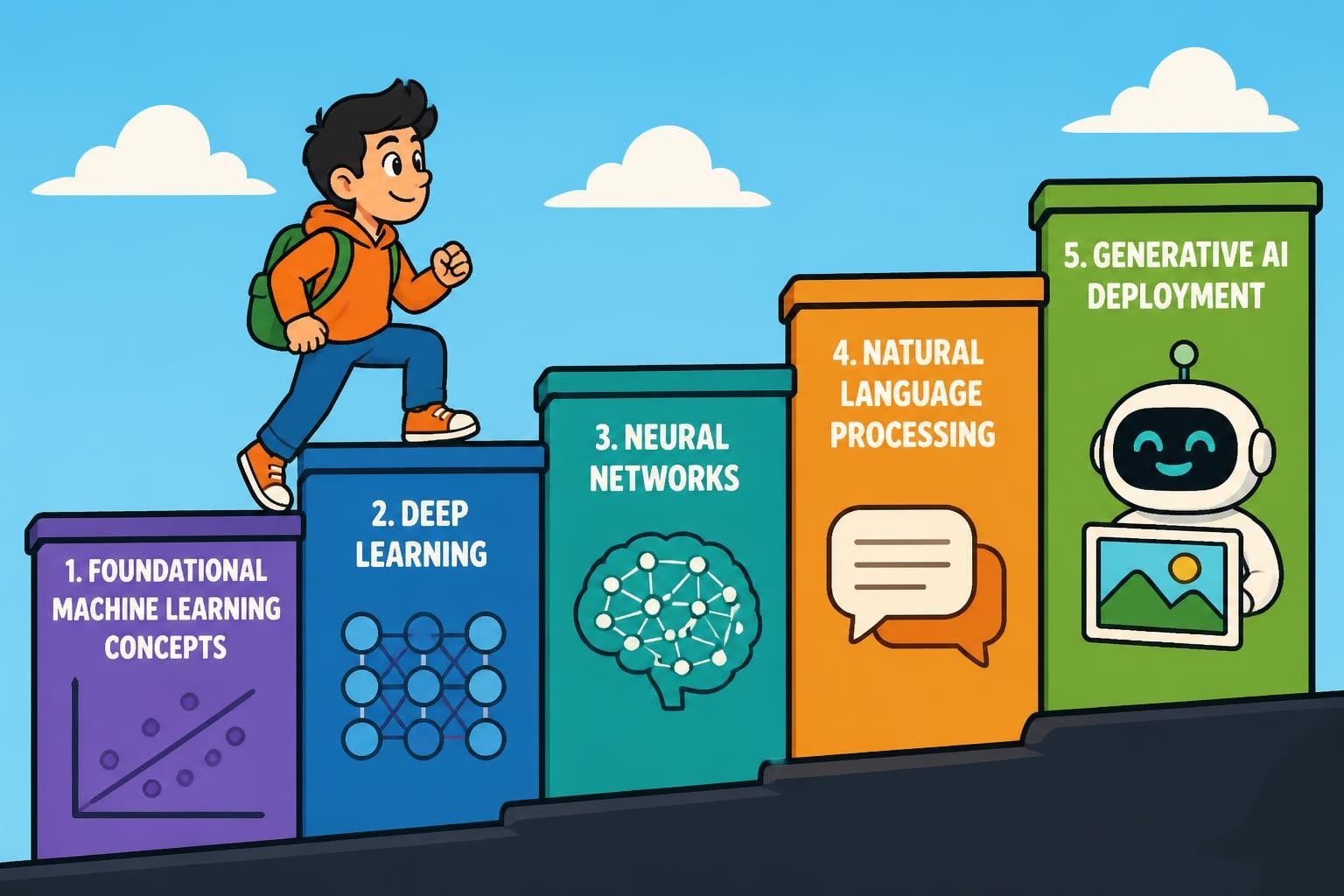
Professional AI training should cover five essential domains:
- Machine learning fundamentals: Supervised and unsupervised learning, model evaluation, feature engineering
- Deep learning architectures: Neural networks, CNNs, RNNs, transformers, and attention mechanisms
- Natural language processing: Text analysis, embeddings, large language model applications
- Computer vision: Image classification, object detection, segmentation techniques
- AI ethics and governance: Bias detection, fairness metrics, responsible deployment
Harvard's AI course offerings exemplify how academic institutions structure comprehensive curricula, while platforms like AWS AI training focus on cloud-specific implementation skills.
Hands-On Project Requirements
The distinction between mediocre and exceptional AI training lies in project complexity. Look for programs requiring you to:
- Build end-to-end ML pipelines from data collection through deployment
- Fine-tune pre-trained models for specific business use cases
- Create AI solutions addressing real business problems
- Deploy models using cloud infrastructure (AWS, Azure, GCP)
- Document and present technical decisions to non-technical stakeholders
These practical experiences translate directly into workplace capabilities that employers value. Understanding deep learning AI courses helps contextualize how different training approaches develop these competencies.
Geographic Accessibility and Remote Learning Effectiveness
The search for artificial intelligence training near me often reveals a stark urban-rural divide. Metropolitan areas host most in-person programs, while smaller cities and rural regions rely predominantly on online options.
When Location Matters Most
Physical proximity becomes crucial in specific scenarios:
- Networking with local AI communities: In-person meetups foster relationships with practitioners at regional companies
- Hardware access: Some advanced training requires GPU clusters or specialized robotics equipment
- Corporate partnerships: Local bootcamps often maintain direct hiring pipelines with area employers
- Regulatory compliance: Certain industries require in-person verification for certification programs
When online training outperforms local options:
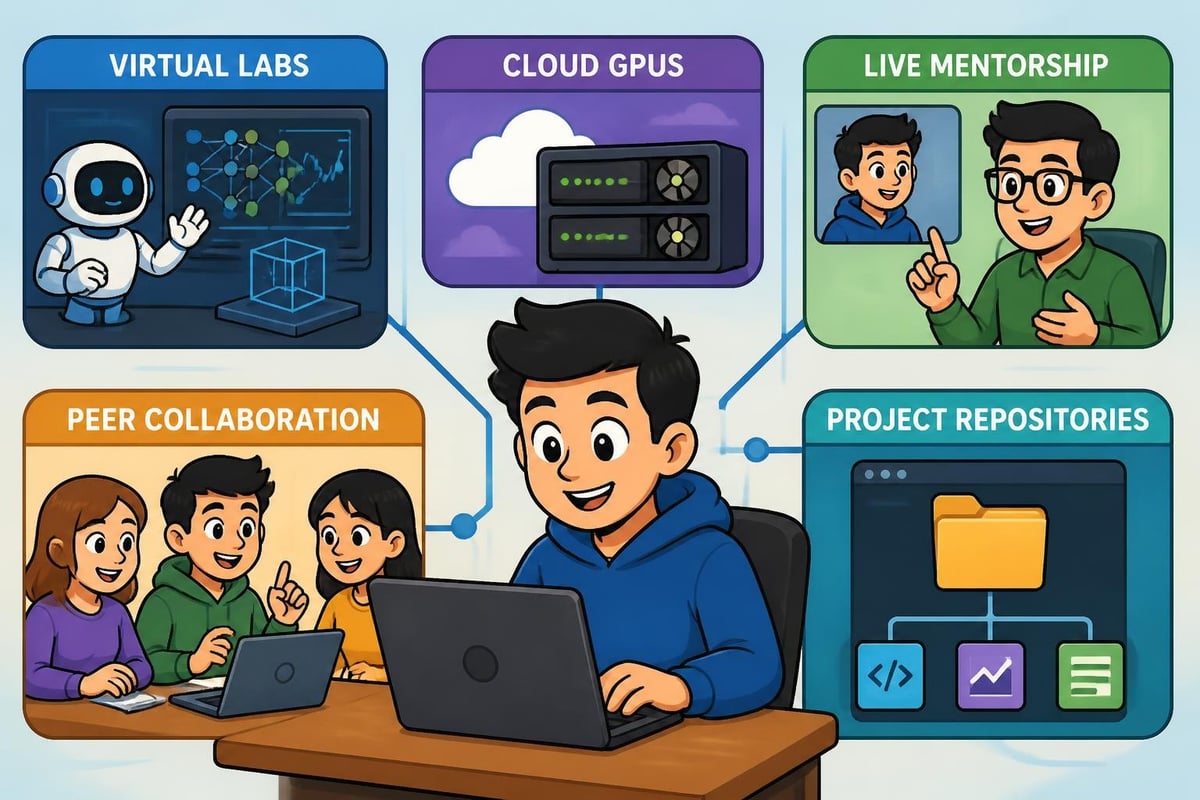
Remote platforms have evolved beyond simple video lectures. Today's sophisticated online AI training incorporates virtual labs, cloud-based development environments, live coding sessions, and AI-powered tutoring systems that adapt to individual learning patterns.
Microsoft's AI Learning Hub demonstrates how major technology companies structure scalable training that serves both technical developers and business decision-makers across geographic boundaries. Their role-based learning paths recognize that AI literacy spans multiple organizational functions.
Corporate AI Training Programs and Organizational Upskilling
Organizations seeking artificial intelligence training near me face different requirements than individual learners. Corporate programs must balance skill development with business continuity, standardize competencies across teams, and demonstrate measurable ROI.
Building Internal AI Capabilities
Forward-thinking companies approach AI training as strategic infrastructure rather than individual professional development. Effective corporate programs include:
- Role-specific learning paths: Data scientists need different skills than product managers or sales leaders
- Cohort-based learning: Teams train together, fostering shared vocabulary and collaborative problem-solving
- Internal project integration: Training culminates in solving actual business challenges
- Certification and assessment: Standardized evaluations ensure consistent skill levels across the organization
The AI training and placement approach demonstrates how training programs can directly connect skill development to workforce deployment.
Measuring Training Effectiveness
Organizations investing in AI education require concrete metrics:
| Metric Category | Key Indicators | Measurement Approach |
|---|---|---|
| Skill Acquisition | Certification completion rates, assessment scores | Pre/post testing, project evaluations |
| Application | AI tools adopted, processes automated | Usage analytics, efficiency gains |
| Business Impact | Revenue influenced, cost reduction | Attribution modeling, A/B testing |
| Retention | Employee satisfaction, turnover reduction | Surveys, retention analysis |
IBM's structured learning paths provide frameworks that organizations can adapt to create measurable skill progression across teams.
Certification Programs and Industry Recognition
The value of artificial intelligence training near me often correlates with the credentials it provides. However, not all certifications carry equal weight with employers.
High-Value AI Certifications in 2026
Vendor-specific certifications demonstrate platform expertise:
- AWS Certified Machine Learning – Specialty
- Google Professional Machine Learning Engineer
- Microsoft Azure AI Engineer Associate
- NVIDIA Deep Learning Institute Certifications
Vendor-neutral credentials prove broader competency:
- TensorFlow Developer Certificate
- Professional Certificate in AI and Machine Learning (various universities)
- Certified AI Practitioner (CertNexus)
Understanding best AI ML courses online helps you identify which certifications align with your career trajectory and industry requirements.
Academic vs. Professional Credentials
University certificates offer academic rigor and institutional credibility, while professional bootcamp credentials emphasize practical application and current industry practices. The optimal choice depends on your career stage and goals.
Early-career professionals often benefit from academic credentials that signal foundational knowledge. Mid-career professionals transitioning into AI typically prioritize intensive bootcamps that accelerate practical skill development. Senior leaders might seek executive education programs focusing on AI strategy and organizational transformation.
Cost Considerations and Funding Options
Searching for artificial intelligence training near me inevitably involves financial planning. Training costs vary dramatically based on format, duration, and credential type.
Investment Ranges and Value Propositions
Budget-friendly options ($0-$500):
- Free platforms like AIAIMate provide foundational knowledge
- Massive open online courses (MOOCs) offer structured learning at minimal cost
- Community-driven resources and study groups
- Employer-provided lunch-and-learn sessions
Mid-range programs ($500-$5,000):
- Professional online platforms with certification (like MammothClub's subscription model)
- University extension courses and short certificates
- Specialized skill courses (NLP, computer vision, reinforcement learning)
Premium investments ($5,000-$20,000+):
- Intensive bootcamps with career services
- University master's degree components
- Executive education programs
- Corporate group training packages
Employer Sponsorship and Tax Benefits
Many employers fund AI training as part of workforce development initiatives. When discussing artificial intelligence training near me with your manager, frame the request around business value:
- How AI skills will improve your current role performance
- Specific projects or initiatives requiring AI expertise
- ROI projections for your enhanced capabilities
- Commitment to apply skills within the organization
Educational expenses may qualify for tax deductions under continuing education provisions. Consult a tax professional about the Lifetime Learning Credit and other educational benefits.
Specialized AI Training Tracks and Career Paths
The breadth of artificial intelligence applications means effective training must often specialize. Generic "AI overview" courses rarely provide sufficient depth for professional application.
Industry-Specific AI Applications
Healthcare and life sciences:
- Medical imaging analysis and diagnostic support
- Drug discovery and clinical trial optimization
- Patient outcome prediction and personalized medicine
- Regulatory compliance and privacy considerations (HIPAA, GDPR)
Financial services:
- Algorithmic trading and portfolio optimization
- Fraud detection and risk assessment
- Customer churn prediction and retention strategies
- Regulatory technology (RegTech) applications
Manufacturing and supply chain:
- Predictive maintenance and quality control
- Demand forecasting and inventory optimization
- Robotics integration and process automation
- Digital twin development and simulation
When searching for artificial intelligence training near me, prioritize programs incorporating case studies and projects from your target industry. Exploring AI and robotics courses reveals how training differs for physical AI applications versus purely digital implementations.
Technical Specialization Paths
Beyond industry focus, AI practitioners typically develop expertise in specific technical domains:
- Computer vision engineers focus on image and video analysis, requiring deep understanding of convolutional architectures and transfer learning
- NLP specialists build language models, chatbots, and text analysis systems using transformer architectures and embeddings
- Reinforcement learning engineers develop autonomous systems and optimization algorithms for complex decision-making
- MLOps engineers focus on deployment, monitoring, and lifecycle management of production AI systems
The AI ML learning path framework helps structure progression from foundational concepts through advanced specialization.
Integrating AI Training with Current Work Responsibilities
Most professionals seeking artificial intelligence training near me cannot pause their careers for full-time study. Successful learners master the art of parallel skill development while maintaining work performance.
Time Management Strategies for Working Professionals
Effective part-time AI learning requires systematic approaches:
Structured weekly commitments:
- Schedule 8-12 hours of dedicated learning time
- Protect study sessions in your calendar like client meetings
- Establish consistent routines (early mornings, lunch breaks, evenings)
- Communicate boundaries with family and colleagues
Microlearning integration:
- Complete 15-minute tutorials during commutes or breaks
- Review flashcards and concept summaries between meetings
- Listen to AI podcasts during exercise or household tasks
- Participate in online forums and communities asynchronously
Workplace application:
- Identify AI use cases within current projects
- Propose pilot initiatives applying new skills
- Share learning with team members through presentations
- Document experiments and build a portfolio of applications
Resources like the University of Houston's AI Learning Hub provide self-paced materials specifically designed for integration with professional responsibilities.
Evaluating Training Providers and Platform Quality
The proliferation of AI education creates quality control challenges. When researching artificial intelligence training near me, apply rigorous evaluation criteria to distinguish exceptional programs from mediocre offerings.
Quality Indicators for AI Training Programs
Instructor credentials and industry experience:
- Active practitioners publishing research or building production systems
- Clear expertise in specific AI domains (not generalists teaching all topics)
- Regular engagement with current industry developments
- Track record of successful student outcomes
Curriculum currency and relevance:
- Updated within the past 6-12 months to reflect latest frameworks
- Integration of recent breakthroughs (GPT-4, DALL-E 3, Claude, Gemini)
- Balance between fundamentals and cutting-edge techniques
- Real-world datasets and business scenarios
Learning technology and platform capabilities:
- Interactive coding environments and cloud GPU access
- Automated assessment and immediate feedback systems
- Project collaboration tools and peer review mechanisms
- AI-powered tutoring and personalized learning paths
Platforms demonstrating these characteristics, including understanding artificial intelligence classes, invest substantially in educational effectiveness rather than simply aggregating content.
Warning Signs of Low-Quality Programs
Avoid training providers exhibiting these red flags:
- Guarantees of specific salary outcomes or job placement
- Curricula focused primarily on theoretical mathematics without application
- Outdated content referencing deprecated frameworks or obsolete approaches
- Absence of portfolio-worthy projects or capstone experiences
- Instructors without verifiable industry experience or publications
- Limited student support or unresponsive teaching staff
Building Your AI Learning Roadmap
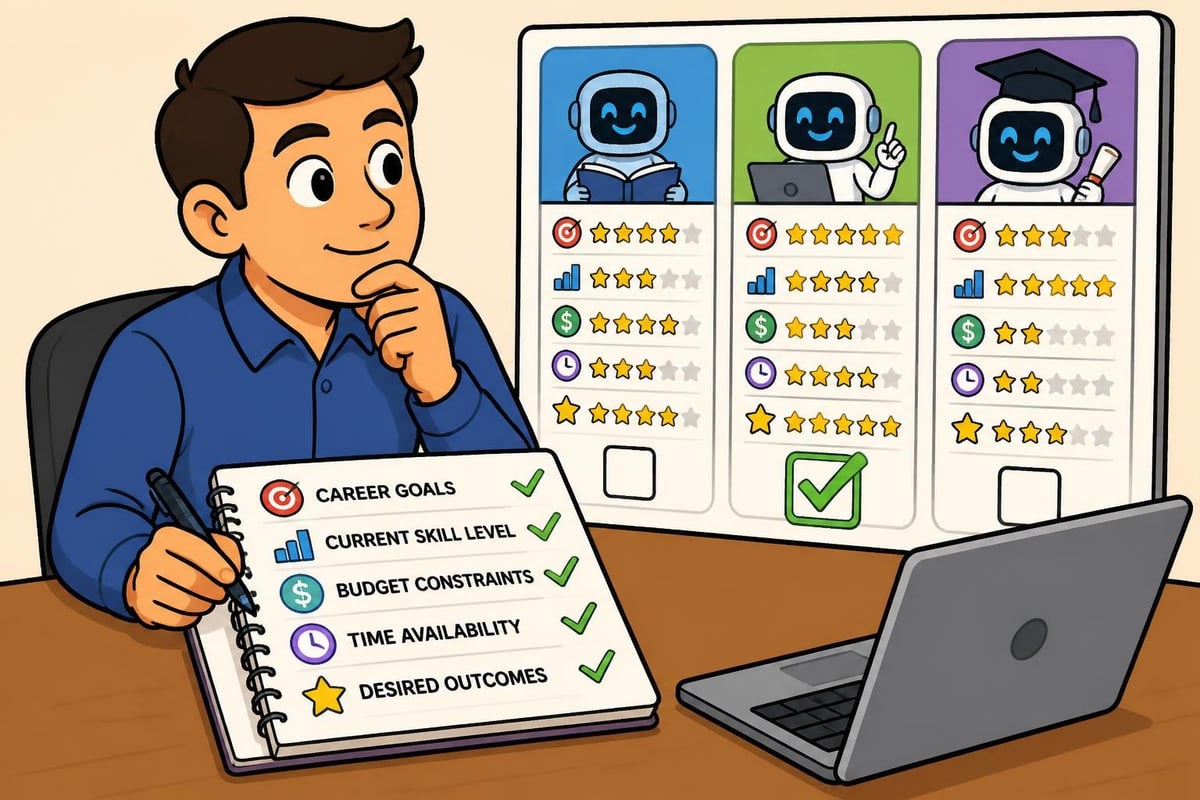
Successful artificial intelligence training near me begins with strategic planning rather than immediate enrollment. Develop a personalized roadmap aligning training investments with career objectives.
Self-Assessment and Goal Definition
Evaluate your current foundation:
- Programming proficiency: Python fundamentals, data structures, libraries (NumPy, Pandas)
- Mathematics background: Linear algebra, calculus, probability, statistics
- Domain expertise: Your industry knowledge and business context
- Learning style preferences: Self-paced vs. structured, visual vs. hands-on
Define specific, measurable objectives:
- "Build and deploy a customer churn prediction model for my company within six months"
- "Earn AWS Machine Learning Specialty certification by Q3 2026"
- "Transition from software engineering to ML engineering role within one year"
- "Lead AI strategy initiatives for my department by end of 2026"
Progressive Skill Development
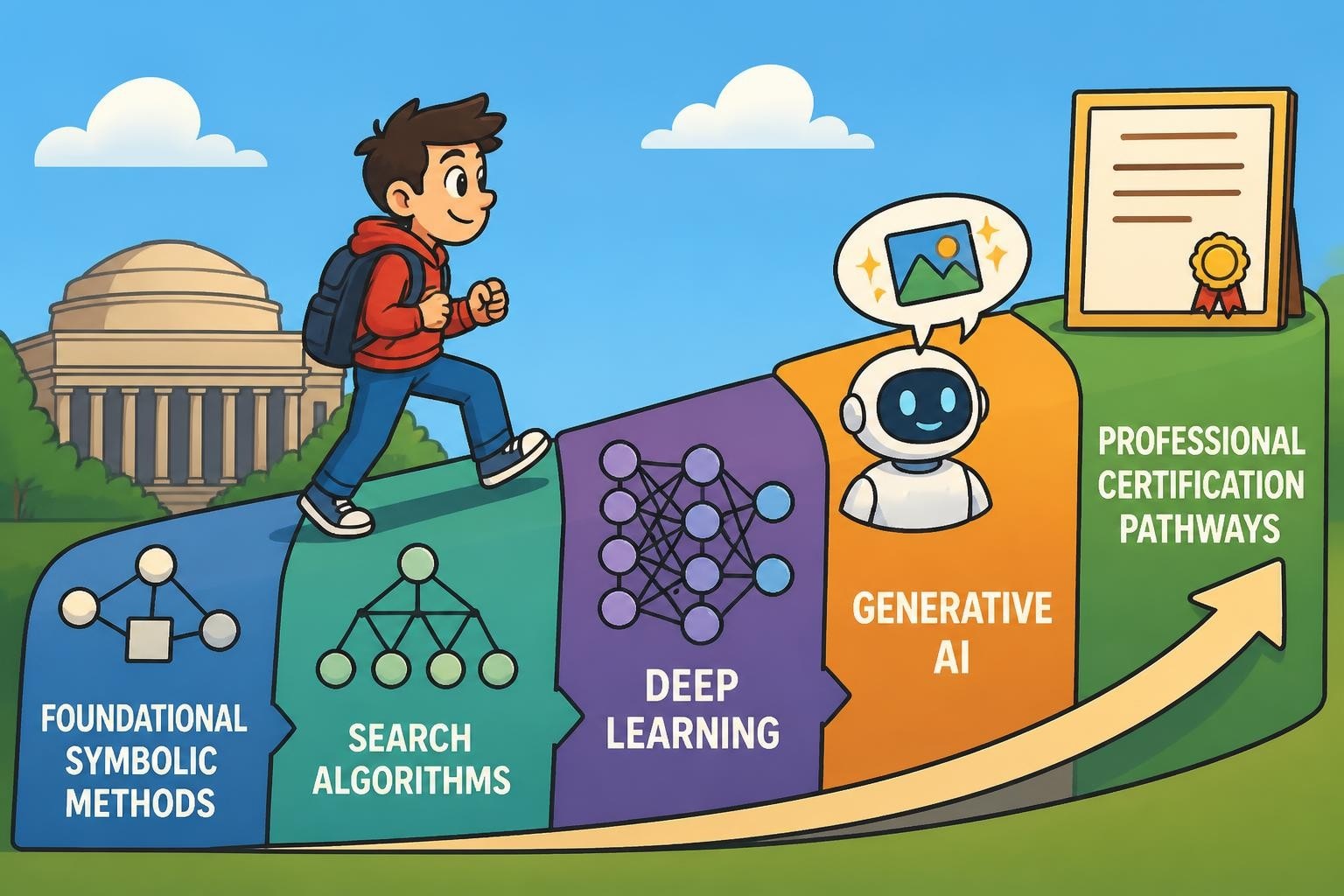
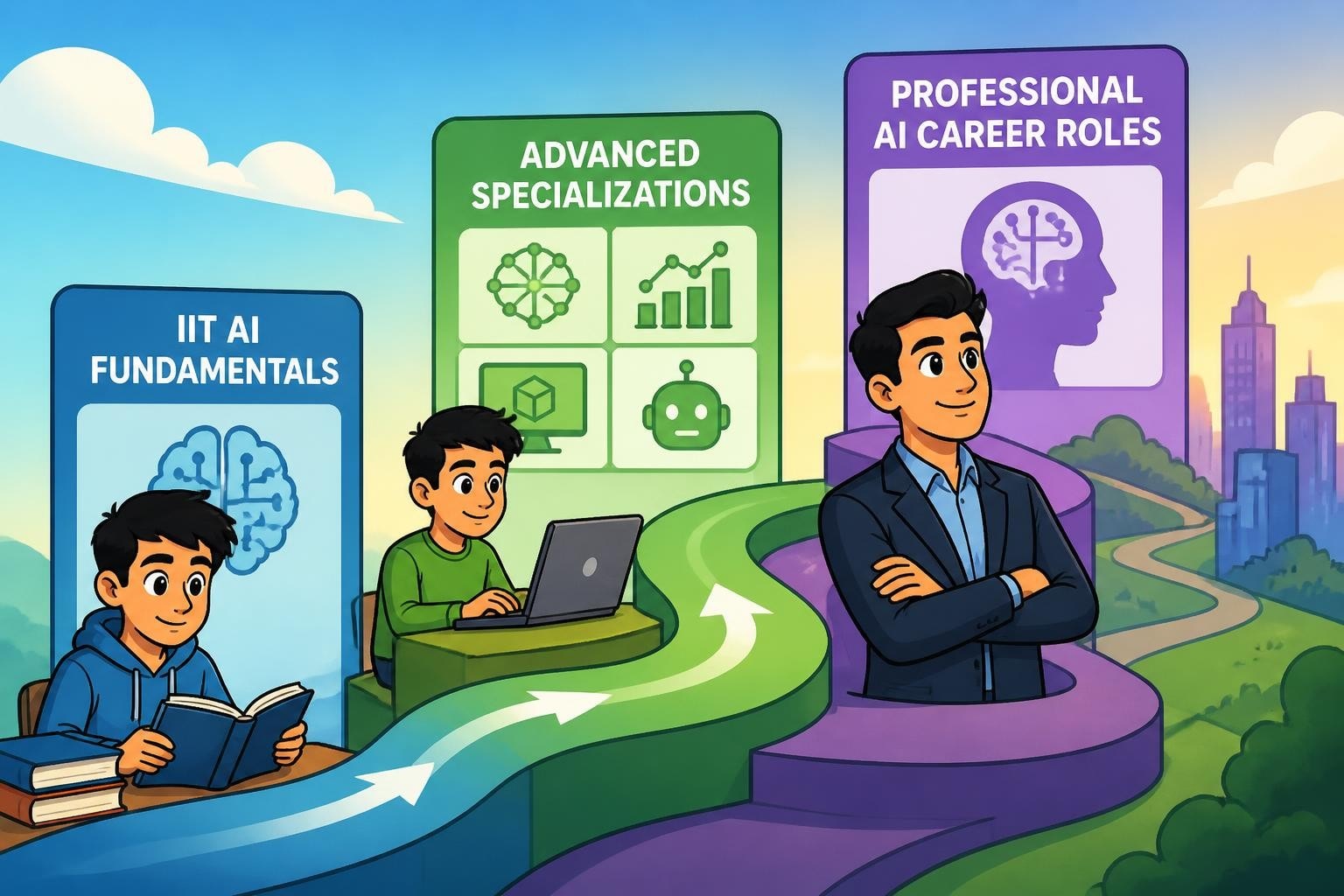
Effective AI learning follows a scaffolded approach:
| Learning Stage | Duration | Focus Areas | Key Milestones |
|---|---|---|---|
| Foundation | 6-8 weeks | Python, statistics, ML concepts | Complete 3-5 guided projects |
| Intermediate | 12-16 weeks | Deep learning, frameworks, deployment | Build portfolio projects |
| Advanced | 16-24 weeks | Specialization, optimization, scale | Contribute to production systems |
| Expert | Ongoing | Research, innovation, leadership | Publish findings, mentor others |
Platforms offering comprehensive progressions, such as examining top machine learning courses, enable learners to advance systematically without knowledge gaps.
Community and Networking Dimensions of AI Training
Technical skills alone don't maximize career impact from artificial intelligence training near me. The relationships you build and communities you join often prove equally valuable.
Local AI Meetups and Professional Groups
Most metropolitan areas host regular AI meetups, study groups, and professional associations. These gatherings offer:
- Peer learning opportunities: Study partners working through similar challenges
- Industry insights: Practitioners sharing real-world implementation experiences
- Career opportunities: Direct connections to hiring managers and recruiters
- Project collaboration: Team formation for portfolio development
Even in areas with limited local AI communities, online forums, Discord servers, and virtual meetup groups provide similar benefits. The NVIDIA Deep Learning Learning Path includes community components that connect learners globally.
Building Your Professional AI Network
Strategic networking accelerates career progression:
- Engage authentically in online forums by answering questions and sharing insights
- Contribute to open-source projects demonstrating practical skills
- Attend virtual conferences and participate in workshop sessions
- Share your learning journey through blog posts or social media
- Seek mentorship from experienced practitioners in your target domain
Workforce Development and Public Training Resources
Government agencies and nonprofit organizations increasingly recognize AI literacy as economic infrastructure. These entities often provide free or subsidized artificial intelligence training near me options.
Public Sector Training Initiatives
State workforce agencies, community colleges, and economic development organizations offer AI training programs designed to support regional competitiveness:
- Workforce Innovation and Opportunity Act (WIOA) funding for eligible individuals
- Community college certificates aligned with local employer needs
- Economic development grants supporting tech sector growth
- Apprenticeship programs combining training with paid work experience
The National Association of State Workforce Agencies provides resources helping professionals access publicly funded training opportunities.
Educational Institution Partnerships
Universities increasingly partner with employers and platforms to democratize AI education:
- Extension programs offering professional certificates at lower costs
- Corporate education partnerships for employee upskilling
- Research collaborations providing real-world project opportunities
- Alumni networks facilitating career transitions
Stanford's CRAFT initiative exemplifies how prestigious institutions extend AI education beyond traditional degree programs.
Future-Proofing Your AI Skills in a Rapidly Evolving Field
The artificial intelligence landscape evolves more rapidly than most professional domains. Training investments must account for ongoing skill development beyond initial certification.
Continuous Learning Strategies
Stay current with emerging techniques:
- Follow leading AI research labs and publications (OpenAI, DeepMind, Google Brain)
- Experiment with newly released frameworks and tools quarterly
- Participate in Kaggle competitions and similar challenges
- Attend annual AI conferences (NeurIPS, ICML, CVPR)
Develop adjacent competencies:
- Cloud architecture and infrastructure management
- Data engineering and pipeline development
- Product management and user experience design
- AI ethics and governance frameworks
Build learning into your routine:
- Dedicate 5-7 hours weekly to skill maintenance
- Implement new techniques in side projects
- Teach others to deepen your understanding
- Create content documenting your learning process
The platforms offering responsible AI courses recognize that ethical considerations evolve alongside technical capabilities, requiring ongoing education in both domains.
Choosing the right artificial intelligence training near me requires balancing accessibility, quality, cost, and career relevance while recognizing that AI education is an ongoing journey rather than a one-time event. Whether you select an intensive local bootcamp, a comprehensive online platform, or a hybrid approach combining multiple resources, focus on programs delivering practical skills through hands-on projects aligned with your specific career objectives. MammothClub provides the flexible, comprehensive AI training infrastructure professionals and organizations need to build competitive capabilities in 2026, with 3,000+ courses, interactive bootcamps, and corporate certification programs supported by AI-powered learning tools that make skill development measurable and results-driven.