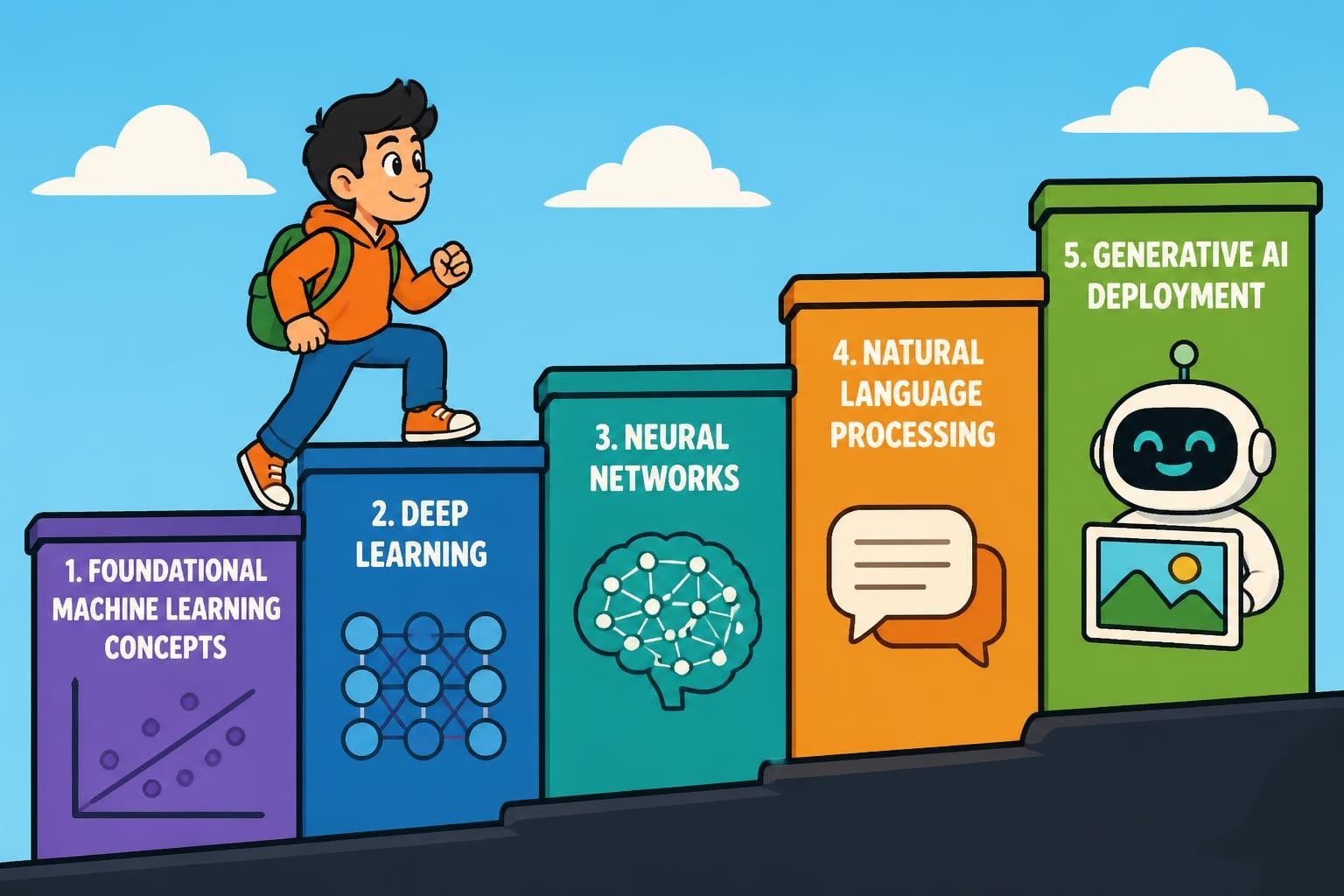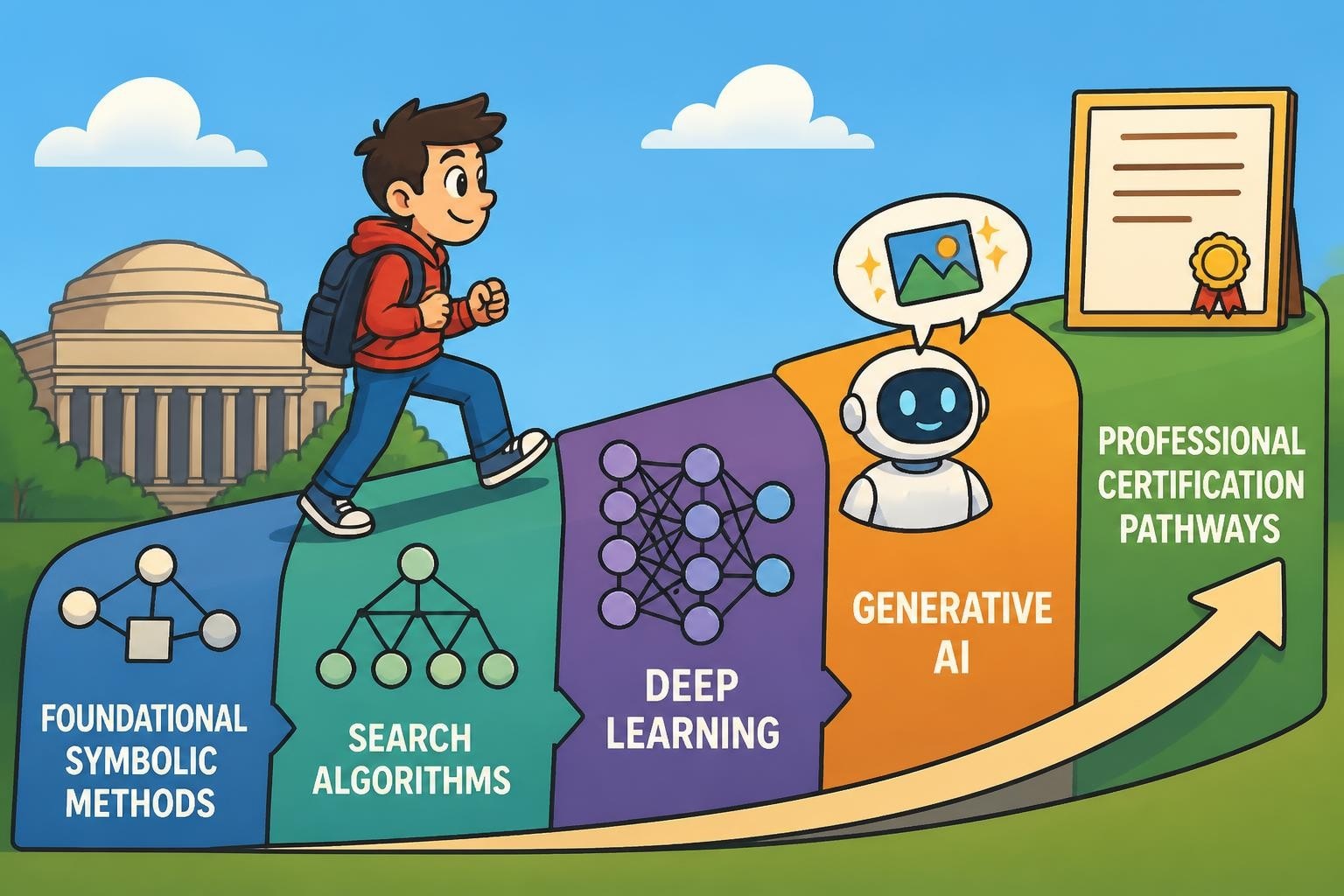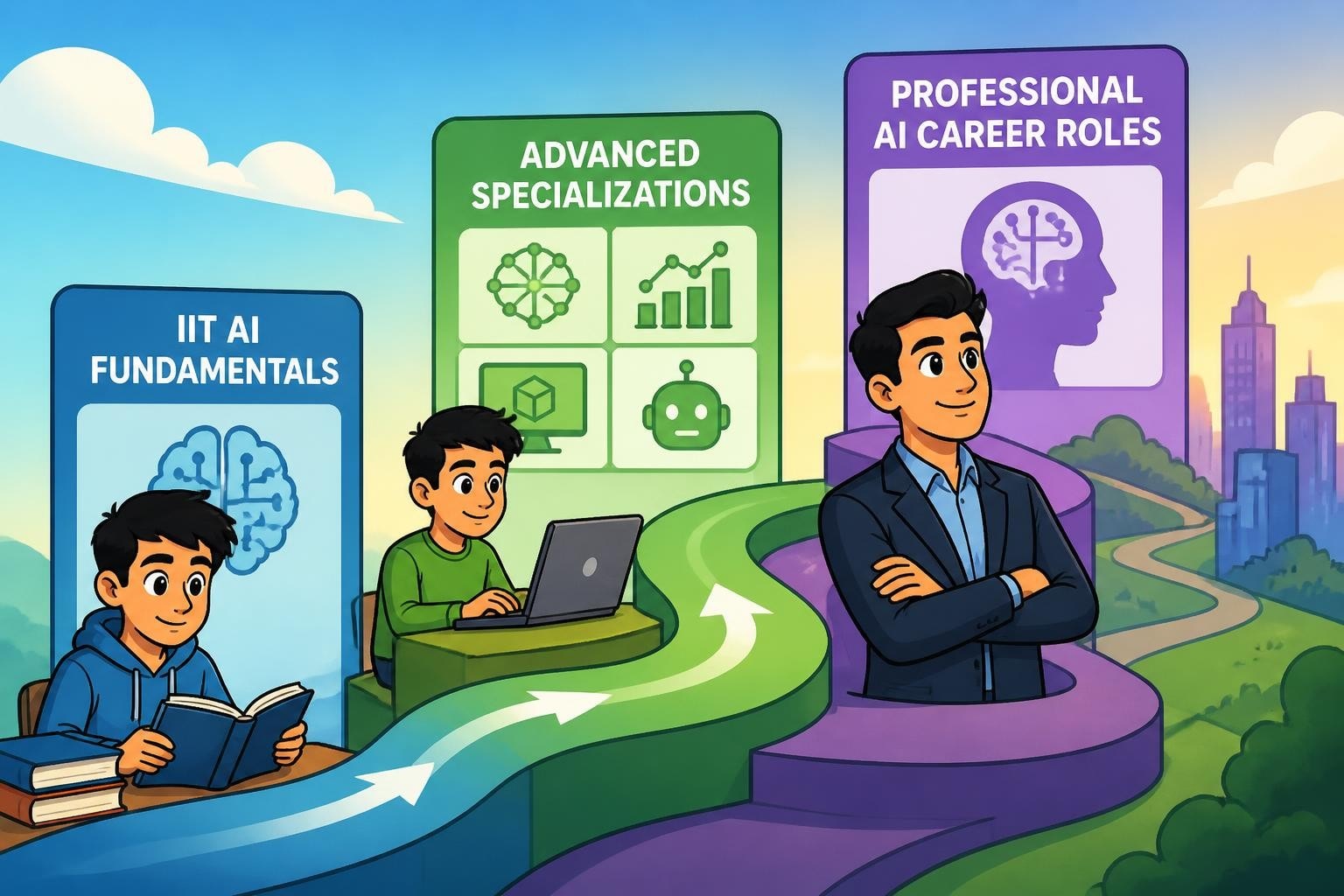
The artificial intelligence revolution has created an unprecedented demand for verified expertise. Organizations across every sector need professionals who can demonstrate measurable AI competency, not just theoretical knowledge. An ai professional certification provides that validation, offering a standardized benchmark that employers, clients, and colleagues can trust. Unlike traditional degrees that may take years to complete, these specialized credentials focus on practical skills and current industry standards, making them essential for anyone looking to advance in the AI-driven economy of 2026.
Why AI Certification Matters More Than Ever
The AI skills gap continues to widen as businesses rush to implement intelligent systems. Traditional hiring methods struggle to identify candidates with genuine AI capabilities versus those who simply list buzzwords on their resumes. This is where ai professional certification becomes invaluable.
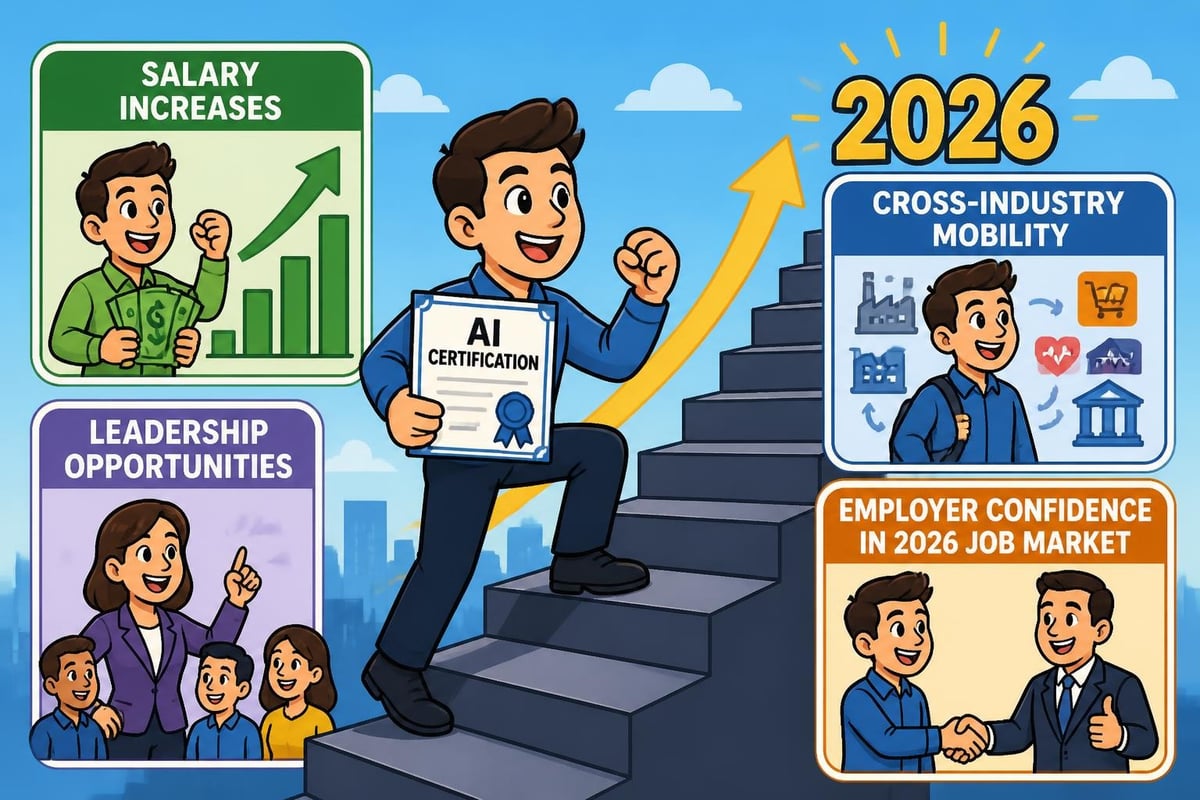
Certified professionals command higher salaries and greater job security. Recent industry data shows that AI-certified workers earn 15-25% more than their non-certified counterparts in comparable roles. Beyond compensation, certification can help employees climb the career ladder by providing concrete proof of their abilities to decision-makers.
The Trust Factor in AI Systems
Organizations implementing AI face critical questions about safety, ethics, and reliability. Research on certification labels demonstrates that credentials significantly increase user trust and willingness to adopt AI systems. When professionals hold recognized certifications, stakeholders feel more confident in the AI initiatives they lead.
Key benefits include:
- Credibility enhancement through third-party validation
- Standardized skill assessment across diverse backgrounds
- Career mobility across industries and regions
- Organizational confidence in AI project outcomes
- Competitive differentiation in crowded job markets
Types of AI Professional Certifications
The certification landscape in 2026 offers multiple pathways depending on your role, experience level, and career objectives. Understanding these categories helps you select credentials that align with your professional goals.
Vendor-Specific Certifications
Major technology companies offer certifications tied to their platforms and tools. Microsoft credentials include AI-102 for developers and AI-900 for business users, validating expertise in Azure AI services. Similarly, NVIDIA certifications focus on deep learning, GPU computing, and infrastructure optimization.
These credentials excel when you work primarily within a specific ecosystem. For example, if your organization standardizes on Microsoft Azure, pursuing AI-900 certification demonstrates immediate applicable knowledge.
Advantages:
- Direct alignment with specific tools and platforms
- Regular updates matching product releases
- Strong recognition within vendor ecosystems
- Often include hands-on lab experiences
Limitations:
- Platform lock-in concerns
- May become obsolete with technology shifts
- Less transferable across different environments
Vendor-Neutral Professional Standards
Organizations like The Global AI Standards Body (GAISB) provide vendor-neutral certifications aligned with international frameworks including NIST AI RMF and ISO/IEC 42001. These credentials emphasize universal principles rather than specific tools.
The International Federation of Professional AI Standards and Accreditation (IFPASA) issues globally recognized certifications grounded in the peer-reviewed Sigma AI Readiness Model, trusted across more than 50 countries. Such credentials prove valuable when working across multiple platforms or in consulting roles.
| Certification Type | Best For | Typical Duration | Recognition Scope |
|---|---|---|---|
| Vendor-Specific | Platform specialists | 2-6 months | Industry-wide |
| Vendor-Neutral | Cross-platform roles | 3-12 months | Global |
| Ethics-Focused | Governance roles | 3-8 months | Regulatory domains |
| Role-Based | Specific job functions | 4-10 months | Industry-specific |
Ethics and Governance Certifications
As regulations like the EU AI Act take effect, ethics-focused credentials gain importance. IEEE CertifAIEd™ provides professional certifications validating ability to design, deploy, and govern AI systems responsibly, emphasizing transparency, accountability, algorithmic bias, and privacy.
These certifications address critical concerns:
- Regulatory compliance with emerging AI laws
- Risk management in AI system deployment
- Ethical framework implementation
- Stakeholder accountability processes
- Bias detection and mitigation strategies
Organizations facing regulatory scrutiny or operating in sensitive sectors (healthcare, finance, government) particularly value these credentials. A responsible AI course often serves as preparation for ethics-focused certifications.
Structured Certification Pathways
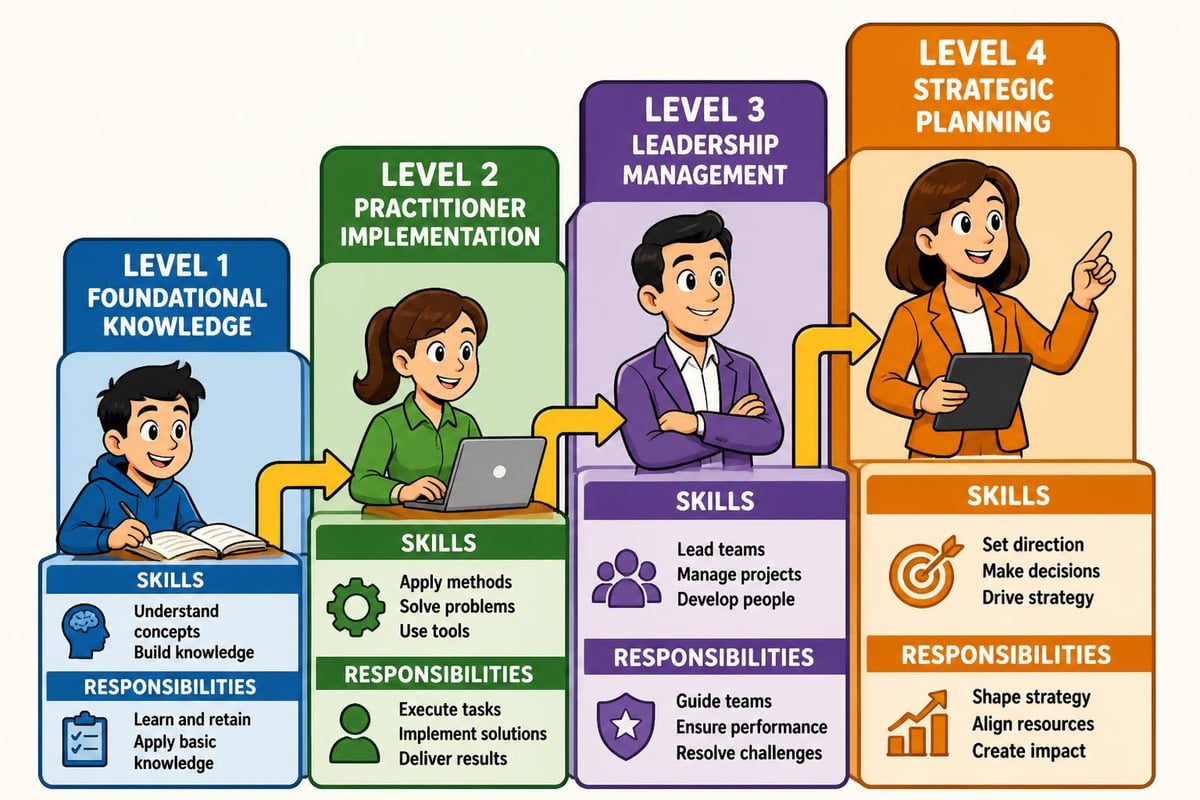
Rather than viewing certifications as isolated credentials, consider them as progressive development stages. MHCAI certification pathways exemplify this approach with structured levels.
Foundation to Mastery Progression
AI Ready Professional marks the entry point, validating foundational understanding of AI concepts, terminology, and basic applications. This level suits business users, project managers, and professionals beginning their AI journey.
AI Practitioner demonstrates hands-on capability with AI tools and techniques. Practitioners can implement solutions, work with data scientists, and contribute to AI projects. This aligns well with roles in data analysis, business intelligence, and technical support.
AI Leader certifications target those managing AI initiatives and teams. Leaders understand strategic implications, resource allocation, change management, and cross-functional coordination. These credentials require practical demonstrations of project leadership.
AI Strategist represents the pinnacle, validating ability to shape organizational AI direction, assess market opportunities, and align AI investments with business objectives. Strategists influence C-suite decisions and guide enterprise transformation.
Progressive pathways offer several advantages:
- Clear advancement milestones for career planning
- Incremental skill building without overwhelming learners
- Portfolio of credentials demonstrating growth
- Flexibility to pause and apply learning between levels
- Recognition at each achievement stage
Selecting the Right Certification
With hundreds of options available, choosing appropriate credentials requires strategic thinking. The AI Certifications Directory provides normalized metadata across major providers, enabling informed comparisons.
Alignment with Career Goals
Your certification choice should reflect where you want to be in 18-24 months, not just your current role. Consider these questions:
For technical professionals:
- Do you want to specialize in a specific AI domain (computer vision, NLP, robotics)?
- Are you targeting roles as an AI engineer or data scientist?
- Will you work primarily with one platform or multiple systems?
For business professionals:
- Do you need to communicate with technical teams or make strategic decisions?
- Are you responsible for AI procurement and vendor selection?
- Will you manage AI projects or define organizational AI strategy?
For consultants and advisors:
- Do you need broad, vendor-neutral knowledge?
- Are ethics and governance central to your practice?
- Will you work across industries requiring diverse expertise?
Industry Recognition and Standards
Not all certifications carry equal weight. Credentials aligned with international standards like ISO/IEC 42001, NIST AI RMF, or the EU AI Act framework provide stronger validation. Check whether certifications appear in job postings for roles you target.
Research also shows that large language models perform differently on professional certifications, suggesting that well-designed certification exams test genuine capability rather than memorization. Look for programs emphasizing practical application and problem-solving.
Investment and ROI Considerations
Certification costs vary dramatically, from a few hundred dollars to several thousand for comprehensive programs. Calculate total investment including:
- Examination fees
- Study materials and courses
- Practice tests and labs
- Time away from work
- Renewal or recertification costs
| Investment Factor | Entry-Level | Mid-Level | Advanced |
|---|---|---|---|
| Direct costs | $200-$500 | $500-$2,000 | $2,000-$5,000 |
| Study time | 50-100 hours | 100-200 hours | 200-400 hours |
| Renewal period | 2-3 years | 2-3 years | 2-3 years |
| Salary impact | 5-10% increase | 10-20% increase | 20-30% increase |
Balance these costs against career benefits. A certification enabling a $15,000 salary increase easily justifies a $2,000 investment.
Preparing for AI Certification Success
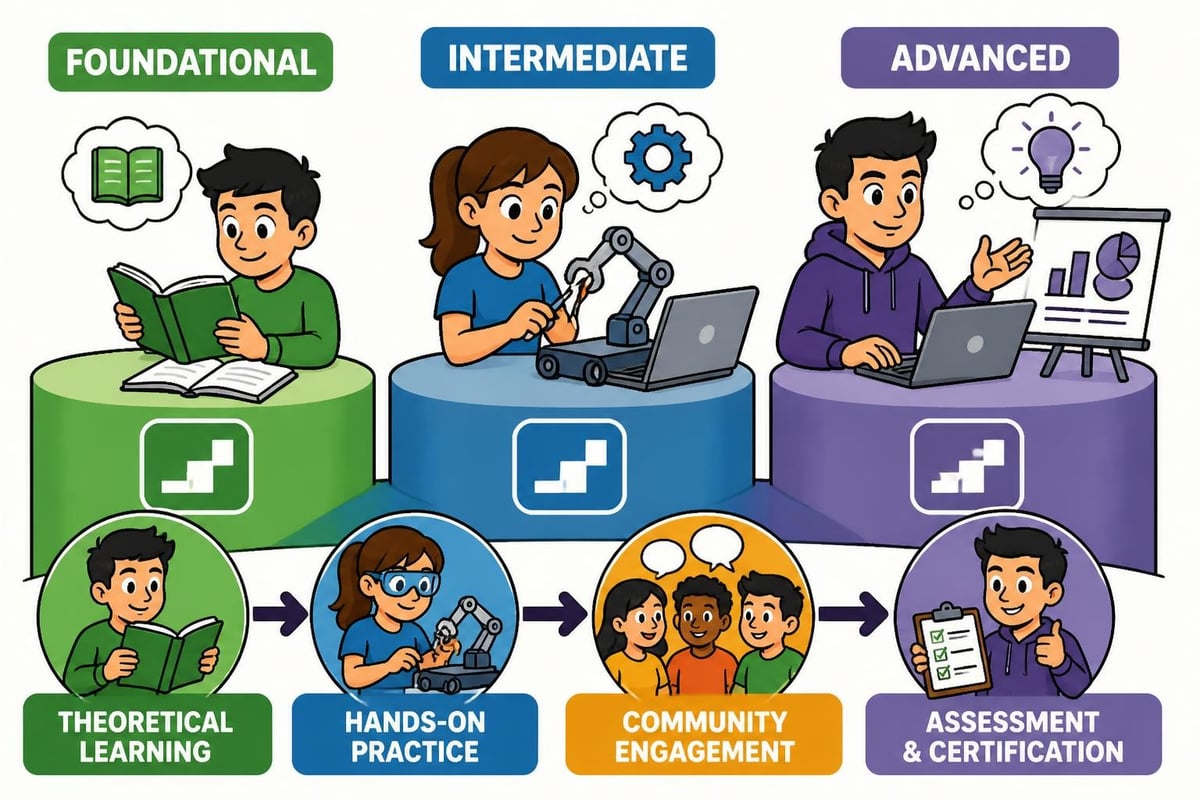
Achieving an ai professional certification requires more than passive study. Successful candidates combine structured learning, hands-on practice, and strategic preparation.
Building a Study Framework
Create a realistic timeline based on your available study time. Most professionals dedicate 10-15 hours weekly, completing foundational certifications in 2-4 months and advanced credentials in 4-8 months.
Structure your preparation across these dimensions:
Conceptual Understanding:
- Core AI principles and algorithms
- Machine learning fundamentals
- Neural network architectures
- Statistical foundations
Practical Application:
- Tool proficiency (TensorFlow, PyTorch, cloud platforms)
- Data preparation and feature engineering
- Model training and evaluation
- Deployment and monitoring
Domain Knowledge:
- Industry-specific applications
- Regulatory and compliance requirements
- Ethics and responsible AI practices
- Business value and ROI assessment
Leveraging Comprehensive Learning Platforms
Modern learning platforms provide significant advantages over isolated study materials. MammothClub's AI courses offer structured pathways aligned with major certifications, combining video instruction, hands-on labs, and progress tracking.
Key platform features to seek:
- Interactive learning environments with real datasets
- Progress dashboards tracking completion and mastery
- Community forums for peer discussion
- Expert instructors with industry experience
- Up-to-date content reflecting 2026 standards
Platforms specializing in AI and ML learning paths help you navigate complex certification requirements without getting lost in disconnected resources.
Certification Maintenance and Continuous Learning
Earning an ai professional certification represents a beginning, not an endpoint. The AI field evolves rapidly, making ongoing learning essential for credential relevance.
Recertification Requirements
Most certifications require renewal every 2-3 years through:
- Continuing education units (CEUs) from approved activities
- Professional development hours in AI-related work
- Retesting on updated exam content
- Project documentation demonstrating applied skills
- Community contribution through mentoring or content creation
Plan renewal activities as part of your professional development rather than waiting until expiration approaches. Tracking CEUs continuously reduces last-minute stress.
Staying Current with AI Advances
Set aside regular time for learning about emerging AI developments. Follow these practices:
- Weekly review of AI research publications and industry news
- Monthly deep-dive into one new technique or application area
- Quarterly assessment of your skills against job market demands
- Annual planning for additional certifications or specializations
Many professionals maintain a learning portfolio documenting their growth beyond formal certifications. This portfolio becomes valuable during performance reviews and job transitions.
Industry-Specific Certification Strategies
Different sectors prioritize different AI competencies. Tailoring your certification choices to industry requirements maximizes career impact.
Healthcare and Life Sciences
Healthcare AI demands strong ethics foundations and regulatory knowledge. Certifications emphasizing privacy, bias mitigation, and explainability align well with HIPAA, FDA, and clinical trial requirements.
Focus areas include:
- Medical imaging AI applications
- Clinical decision support systems
- Drug discovery and genomics
- Patient outcome prediction
- Regulatory compliance frameworks
Combining technical AI credentials with healthcare-specific certifications creates powerful differentiation in this growing field.
Financial Services
Financial institutions prioritize AI governance, risk management, and algorithmic transparency. Certifications addressing model validation, compliance, and anti-bias controls prove essential.
Critical competencies:
- Fraud detection and security applications
- Algorithmic trading systems
- Credit risk assessment models
- Regulatory reporting automation
- Customer experience personalization
Professionals working on AI for finance applications benefit from certifications covering both technical skills and financial domain knowledge.
Manufacturing and Operations
Manufacturing AI focuses on optimization, predictive maintenance, and quality control. Certifications emphasizing computer vision, IoT integration, and edge AI align with industry needs.
Key application areas:
- Predictive maintenance systems
- Quality inspection automation
- Supply chain optimization
- Robotics and automation
- Digital twin implementations
Understanding AI and robotics integration becomes crucial for professionals in this sector.
Corporate Certification Programs
Organizations increasingly implement formal AI certification programs for their workforce. These initiatives ensure consistent competency levels across teams and departments.
Building Internal Certification Pathways
Companies developing proprietary AI systems benefit from custom certification programs aligned with their specific tools and processes. This approach:
- Standardizes internal AI practices
- Reduces knowledge silos
- Accelerates onboarding for new team members
- Documents institutional knowledge
- Motivates continuous skill development
Internal programs often combine external certifications with proprietary assessments. For example, requiring team members to complete vendor-neutral ethics certification plus company-specific tool proficiency.
Measuring Training Impact
Effective corporate certification programs include metrics demonstrating ROI:
| Metric Category | Key Indicators | Measurement Method |
|---|---|---|
| Skill Development | Competency assessments, certification pass rates | Pre/post testing, exam scores |
| Business Impact | Project success rates, time-to-deployment | Project tracking, KPIs |
| Employee Engagement | Training completion, voluntary participation | LMS analytics, surveys |
| Retention | Turnover rates, internal mobility | HR data analysis |
AI-powered learning dashboards help organizations track these metrics in real-time, identifying skill gaps and optimizing training investments.
Emerging Certification Trends
The ai professional certification landscape continues evolving. Understanding emerging trends helps future-proof your credential strategy.
Micro-Credentials and Stackable Certifications
Rather than monolithic certifications, the industry moves toward modular credentials addressing specific skills. Professionals stack these micro-credentials creating personalized competency profiles.
Benefits include:
- Faster achievement of recognized credentials
- Targeted skill development for immediate needs
- Lower financial barriers to entry
- Greater flexibility in learning paths
- Easier updates as technology evolves
This trend particularly suits professionals balancing certification pursuit with full-time work responsibilities.
AI-Assessed Certification
Some certification bodies now use AI systems to evaluate candidate submissions, particularly for project-based assessments. These systems analyze code quality, documentation completeness, and solution effectiveness.
While controversial, AI-assessed certification offers advantages:
- Reduced assessment costs enabling lower certification fees
- Faster feedback on submissions
- Consistent evaluation across candidates
- Detailed analytics on strengths and weaknesses
- Scalability for global certification programs
Human oversight remains critical, with AI serving as the first evaluation layer before expert review.
Specialization Certification Expansion
As AI applications proliferate, specialized credentials emerge for niche domains. Examples include:
- Generative AI and large language models
- Edge AI and embedded systems
- AI security and adversarial robustness
- Multimodal AI systems
- Quantum machine learning
Professionals pursuing AI specialization courses position themselves for these emerging certification opportunities.
Making Your Certification Decision
With comprehensive understanding of the ai professional certification landscape, you can now make strategic choices aligned with your goals.
Immediate Action Steps
Begin with these concrete activities:
- Audit your current skills against certification requirements
- Research 3-5 certifications matching your career direction
- Compare costs and timelines for your top choices
- Assess employer support for certification pursuit
- Create a 6-12 month study plan with specific milestones
Don't let analysis paralysis delay action. Starting with a foundational certification builds momentum, even if you later pursue additional credentials.
Long-Term Certification Strategy
View certification as an ongoing professional practice rather than one-time achievement. Develop a multi-year plan that:
- Progresses from foundational to advanced credentials
- Balances technical and leadership competencies
- Incorporates emerging specializations
- Aligns with industry evolution
- Supports your career trajectory
Review and adjust this plan annually based on market conditions, technology changes, and personal goals.
The rapid advancement of artificial intelligence makes verified expertise more valuable than ever, positioning ai professional certification as a critical differentiator in 2026's competitive job market. By selecting credentials aligned with your career goals, preparing strategically, and committing to continuous learning, you establish yourself as a trusted AI professional capable of driving meaningful organizational impact. Whether you're beginning your AI journey or advancing to strategic leadership roles, MammothClub provides the comprehensive learning platform, expert-led courses, and certification preparation resources you need to succeed in the AI era.