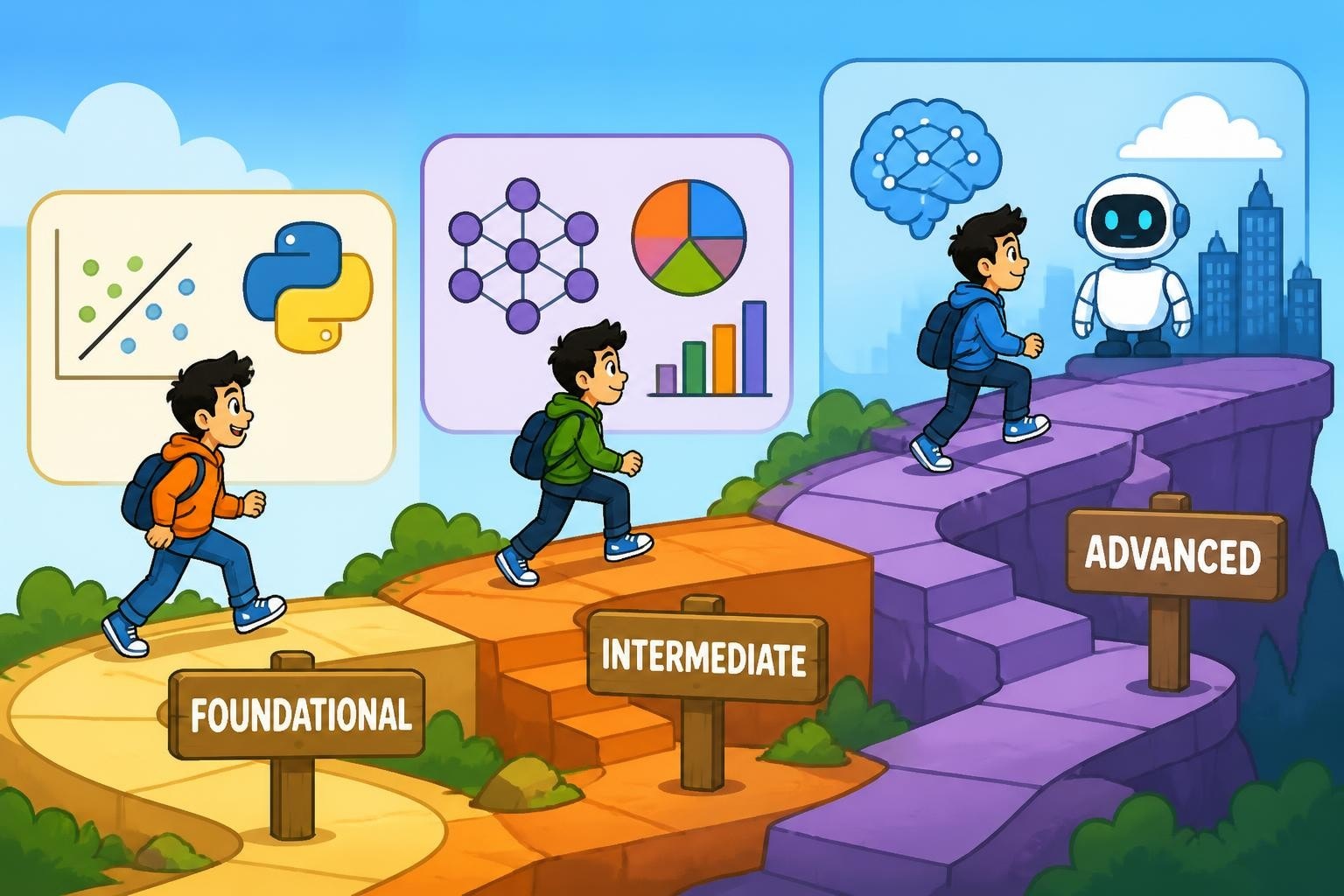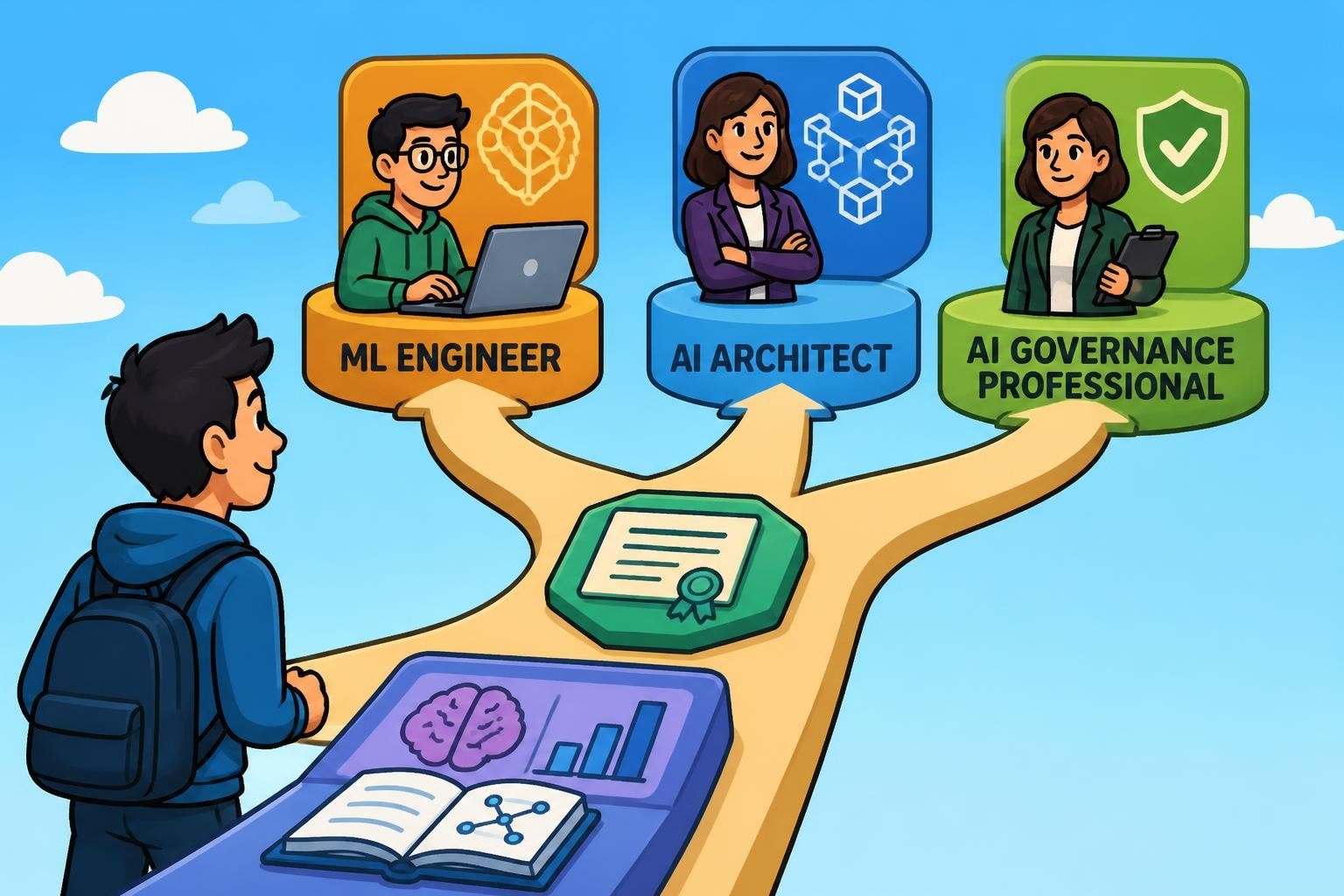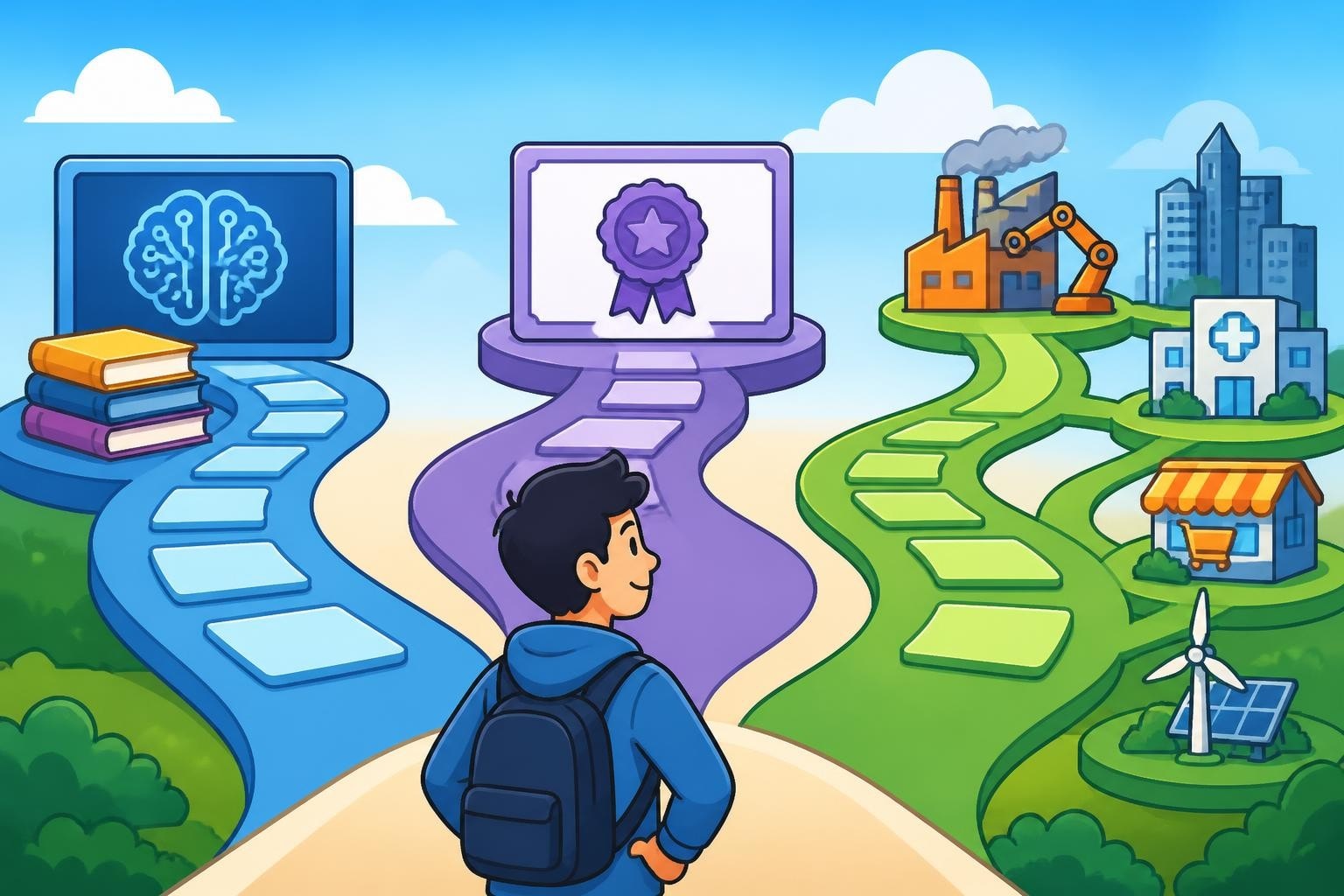
Designing an effective ai class requires more than stringing together lectures on neural networks and machine learning algorithms. Organizations and educators must create learning experiences that bridge theory with application, ensuring professionals can immediately apply concepts to real-world challenges. As artificial intelligence reshapes every industry from healthcare to finance, the demand for well-structured AI training programs has never been more urgent. The difference between a successful ai class and one that fails to deliver measurable outcomes often comes down to thoughtful curriculum design, practical assessments, and alignment with industry needs.
Core Curriculum Components for Modern AI Classes
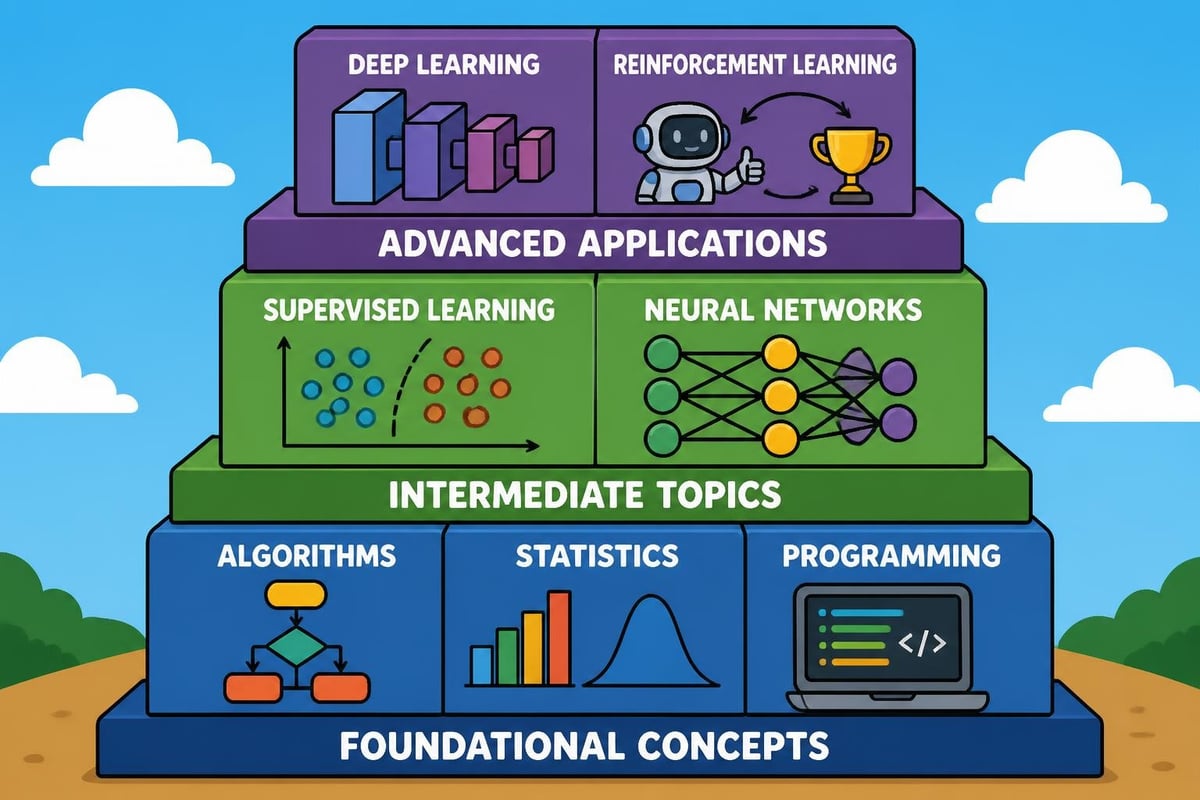
Every effective ai class starts with a well-defined curriculum that balances foundational concepts with advanced applications. The ACM/IEEE-CS Computer Science Curricula 2023 provides comprehensive guidance on integrating AI competencies into modern educational programs, emphasizing the importance of learning objectives that match current industry demands.
Essential Topic Coverage and Sequencing
The backbone of any ai class involves carefully sequenced topics that build upon each other logically. Start with foundational concepts including search algorithms, knowledge representation, and basic probability before advancing to machine learning paradigms.
Core foundational topics include:
- Search and optimization algorithms
- Logic and knowledge representation
- Probability and statistical reasoning
- Supervised and unsupervised learning basics
- Neural network fundamentals
Programming proficiency forms another critical pillar. Students need hands-on experience with Python, TensorFlow, PyTorch, and scikit-learn before tackling complex projects. The Google Machine Learning Crash Course offers excellent modules that can supplement theoretical instruction with practical coding exercises.
Balancing Theory and Practical Application
The most successful ai class implementations dedicate approximately 40% of time to theory and 60% to hands-on projects. This ratio ensures students understand underlying principles while developing the practical skills employers demand.
| Learning Component | Time Allocation | Primary Outcome |
|---|---|---|
| Theoretical foundations | 25% | Conceptual understanding |
| Coding labs & exercises | 35% | Technical proficiency |
| Real-world projects | 30% | Portfolio development |
| Assessments & feedback | 10% | Competency validation |
Universities like Stanford CS221 exemplify this balance through their combination of rigorous problem sets and multi-week projects that simulate real industry challenges. Their approach demonstrates how theoretical rigor and practical application reinforce each other.
Assessment Strategies That Measure Real Competency
Traditional exams often fail to evaluate whether students can actually deploy AI solutions in production environments. Modern ai class assessments must go beyond multiple-choice questions to measure genuine competency through project-based evaluations and scenario-based challenges.
Project-Based Evaluation Methods
Effective project structures include:
- Starter projects (weeks 1-3): Implementing basic algorithms on clean datasets
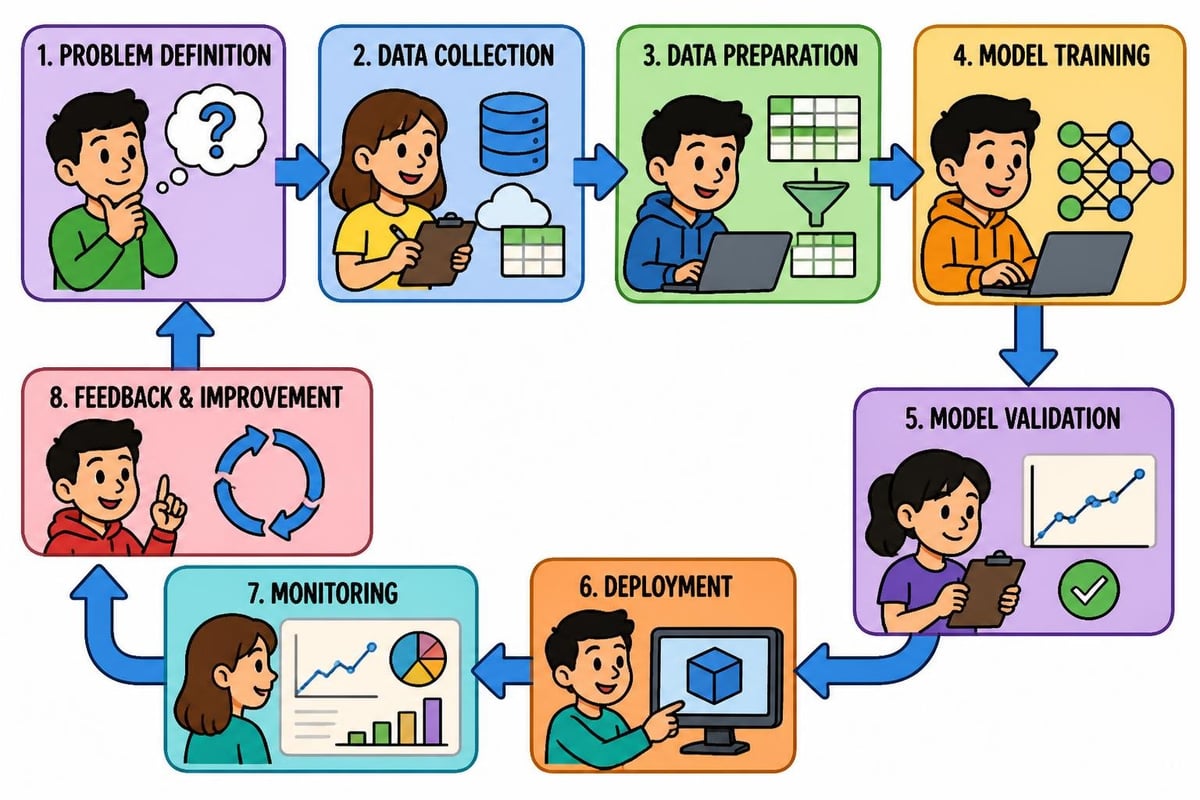
- Intermediate challenges (weeks 4-8): Building end-to-end ML pipelines with real-world data
- Capstone projects (weeks 9-12): Developing production-ready solutions for actual business problems
- Peer review sessions: Collaborative code reviews and presentation feedback
The Carnegie Mellon AI course demonstrates sophisticated project scaffolding that gradually increases complexity while providing clear rubrics for evaluation. Their approach ensures students can demonstrate mastery across multiple AI domains.
Organizations looking to implement corporate training should explore resources on best AI courses to understand how leading programs structure their assessments for maximum learning retention.
Continuous Feedback and Adaptive Learning
An effective ai class incorporates continuous assessment rather than relying solely on midterm and final exams. Weekly coding challenges, automated grading for programming assignments, and regular one-on-one feedback sessions help identify knowledge gaps before they compound.
Modern assessment tools enable:
- Real-time code execution and validation
- Automated performance benchmarking against industry standards
- Personalized learning path adjustments based on individual progress
- Portfolio development that showcases competency to employers
The U.S. Department of Education's AI recommendations emphasize the importance of formative assessment in AI education, highlighting how continuous feedback loops accelerate skill development and improve learning outcomes.
Industry-Aligned Course Design Principles
The gap between academic AI education and industry requirements remains a persistent challenge. An ai class must explicitly address the tools, workflows, and ethical considerations that professionals encounter in their daily work.
Real-World Problem Selection
Course projects should mirror actual business challenges rather than academic toy problems. Consider integrating case studies from healthcare diagnostics, financial forecasting, supply chain optimization, or customer behavior prediction.
Effective project criteria:
- Uses messy, incomplete data requiring cleaning and preprocessing
- Involves stakeholder requirements and business constraints
- Requires model selection and hyperparameter tuning
- Includes deployment considerations and performance monitoring
- Addresses ethical implications and bias detection
Research on AI use scenarios in education provides concrete examples of how classroom activities can be structured around authentic industry applications, making the learning experience more relevant and engaging.
Organizations implementing AI-related courses for workforce development should prioritize industry partnerships that provide access to real datasets and mentorship from practicing AI professionals.
Ethical AI and Responsible Development
Every ai class must embed ethics throughout the curriculum rather than treating it as an afterthought. Students need frameworks for identifying bias, ensuring fairness, protecting privacy, and understanding the societal implications of their work.
| Ethical Consideration | Teaching Approach | Assessment Method |
|---|---|---|
| Algorithmic bias | Case study analysis of real-world failures | Bias audit of student projects |
| Privacy protection | GDPR/CCPA compliance exercises | Privacy impact assessments |
| Transparency | Explainable AI techniques (LIME, SHAP) | Model interpretability reports |
| Social impact | Stakeholder analysis frameworks | Ethics statement for capstone |
The MIT Introduction to Machine Learning course materials include excellent modules on fairness and interpretability that can be adapted for various skill levels. These resources help instructors move beyond theoretical discussions to practical implementation of ethical principles.
Instructor Qualifications and Support Infrastructure
The quality of an ai class depends heavily on instructor expertise and the support systems available to both teachers and learners. Organizations must invest in instructor development and create infrastructure that enables effective teaching at scale.
Building Instructor Competency
Effective AI instructors demonstrate:
- Hands-on industry experience deploying production AI systems
- Deep understanding of both classical ML and modern deep learning
- Teaching ability to explain complex concepts accessibly
- Current knowledge of evolving tools and frameworks
- Commitment to equity and inclusive teaching practices
Professional development for AI instructors should include regular participation in research conferences, industry workshops, and pedagogical training. The AI learning objectives for K-12 provide useful frameworks that can be adapted for adult learners and corporate training contexts.
Technology Infrastructure Requirements
An effective ai class requires robust computational resources. Students need access to GPU-enabled environments for training deep learning models, cloud platforms for deployment, and collaborative tools for team projects.
Essential infrastructure components:
- Cloud computing credits (AWS, GCP, or Azure)
- Jupyter notebook environments with pre-configured libraries
- Version control systems (Git/GitHub)
- Collaborative coding platforms
- Dataset repositories and storage solutions
For organizations evaluating hardware needs, understanding GPU requirements for AI training helps in budget planning and resource allocation. Many successful programs use a hybrid approach combining cloud resources for scalability with local GPU clusters for dedicated research projects.
Specialized AI Class Formats and Delivery Models
Different audiences require different instructional approaches. An ai class designed for software engineers looks dramatically different from one targeting business executives or domain specialists transitioning into AI roles.
Bootcamp vs. Semester-Long Formats
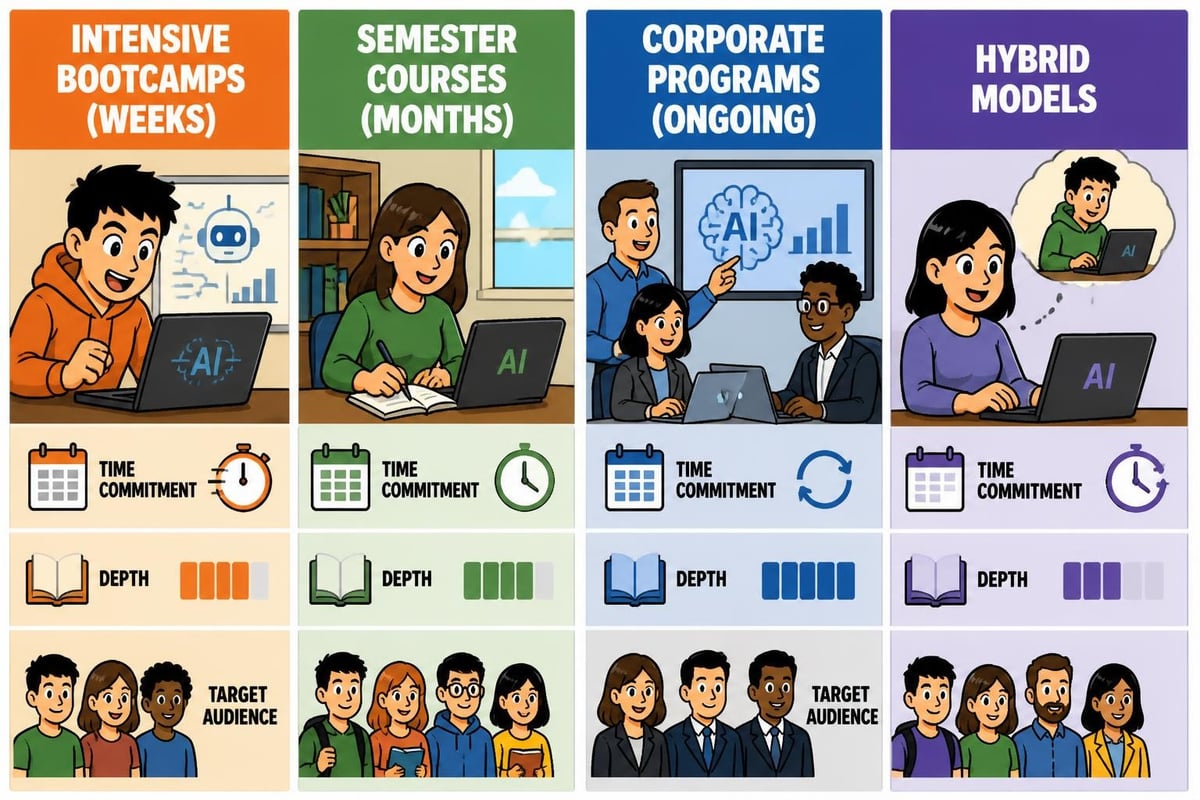
Intensive bootcamps (2-12 weeks) work well for professionals needing rapid upskilling. These programs compress core concepts into immersive experiences with daily coding sessions and accelerated project timelines.
Traditional semester courses (12-16 weeks) allow deeper exploration of theoretical foundations and more sophisticated projects. This format suits students building comprehensive AI expertise and those pursuing AI certification programs.
Domain-Specific AI Training
Specialized ai class offerings address the unique needs of different industries:
- Healthcare AI: Focuses on medical imaging, diagnostic algorithms, and regulatory compliance
- Financial AI: Emphasizes AI trading strategies, risk modeling, and fraud detection
- Marketing AI: Covers AI applications in digital marketing including personalization and attribution
- Drug Discovery: Explores AI in pharmaceutical research and molecular modeling
Each specialization requires customized datasets, case studies, and expert instructors from the relevant domain. The most effective programs combine AI technical training with domain knowledge, ensuring graduates can communicate effectively with subject matter experts.
Measuring Long-Term Success and Business Impact
The true test of an ai class extends beyond completion rates and final exam scores. Organizations must track how training translates into business outcomes, innovation, and competitive advantage.
Key Performance Indicators
Immediate metrics:
- Course completion rates and time-to-completion
- Assessment scores and practical project quality
- Student satisfaction and Net Promoter Scores
- Certification achievement rates
Long-term impact measures:
- Job placement rates and salary improvements
- Internal promotion velocity for trained employees
- Number of AI projects deployed to production
- Revenue impact of AI initiatives led by graduates
- Retention rates of trained professionals
Organizations implementing corporate AI training should establish baseline metrics before program launch and track improvements quarterly. This data-driven approach enables continuous refinement and demonstrates ROI to stakeholders.
Building Learning Communities
The most successful ai class implementations extend beyond individual courses to create ongoing learning ecosystems. Alumni networks, mentorship programs, and collaborative projects keep skills current as the field evolves.
Community-building strategies include:
- Monthly technical talks featuring industry practitioners
- Hackathons and AI challenges with real prizes
- Open-source contribution projects
- Job placement assistance and employer partnerships
- Advanced elective courses for continued learning
Platforms offering comprehensive AI course catalogs recognize that learners need pathways from introductory content through advanced specializations. This progression model supports career development over years rather than treating education as a one-time event.
Staying Current in a Rapidly Evolving Field
An ai class curriculum developed in 2024 will be partially obsolete by 2026. Instructors and program designers must build flexibility into their courses and commit to regular updates reflecting new research, tools, and techniques.
Continuous Curriculum Refresh Cycles
Quarterly updates should address:
- New frameworks and library releases (PyTorch, TensorFlow versions)
- Emerging architectures (transformer variants, diffusion models)
- Regulatory changes affecting AI deployment
- Industry best practices for MLOps and model governance
Annual overhauls should reconsider:
- Core topic selection and sequencing
- Project structures and datasets
- Assessment methods and grading rubrics
- Prerequisites and learning objectives
Leading academic programs publish updated syllabi each semester, providing transparency about curriculum evolution. The Stanford AI course materials demonstrate this commitment to continuous improvement while maintaining rigorous academic standards.
Integration of Latest Research
An effective ai class bridges the gap between cutting-edge research and practical application. While not every course needs to cover the latest arXiv preprints, students should understand how to read research papers, evaluate new techniques, and adapt innovations to their own projects.
Research integration approaches:
- Weekly paper discussions of influential publications
- Guest lectures from researchers and industry practitioners
- Replication assignments implementing recent algorithms
- Critical evaluation exercises assessing research claims
For professionals seeking to stay current beyond formal coursework, exploring no-code AI tools and specialized certifications provides pathways for continuous learning without returning to full degree programs.
Corporate Training Implementation Strategies
Organizations deploying ai class programs for workforce development face unique challenges around scale, diverse skill levels, and competing time demands. Successful corporate implementations require executive sponsorship, clear ROI metrics, and integration with career development frameworks.
Cohort-Based Learning Models
Benefits of cohort structures:
- Peer learning and knowledge sharing
- Consistent pacing and accountability
- Team-based projects reflecting workplace collaboration
- Network building across departments
Companies should aim for cohorts of 15-25 participants to balance interaction quality with program economics. Mixing skill levels within cohorts can work if projects are structured with clear role definitions allowing both beginners and advanced practitioners to contribute meaningfully.
Blended Learning Approaches
The most effective corporate ai class implementations combine:
- Self-paced online modules for foundational content
- Live virtual sessions for difficult concepts and Q&A
- In-person workshops for intensive hands-on projects
- On-the-job application through business-sponsored pilot projects
This blended approach accommodates diverse learning styles while managing costs and minimizing time away from core responsibilities. Organizations can reference frameworks from AI training platforms to design scalable programs that deliver consistent quality across global teams.
| Learning Mode | Time Investment | Best Used For | Typical Duration |
|---|---|---|---|
| Self-paced video | 5-7 hrs/week | Concept introduction | 4-8 weeks |
| Live instruction | 2-3 hrs/week | Deep dives, Q&A | Same duration |
| Project work | 3-5 hrs/week | Skill application | Final 4 weeks |
| Mentorship | 1 hr/week | Career guidance | Ongoing |
Effective ai class design demands continuous evolution, practical focus, and alignment with real-world applications. Whether you're building academic programs or corporate training initiatives, success comes from balancing theoretical depth with hands-on experience while maintaining flexibility to adapt as the field advances. MammothClub provides organizations with the comprehensive course library, interactive learning tools, and certification programs needed to build AI competency at scale, helping your teams stay competitive and drive measurable business results in the AI era.